By Seline Meijer and Barbara Nakangu (IUCN)
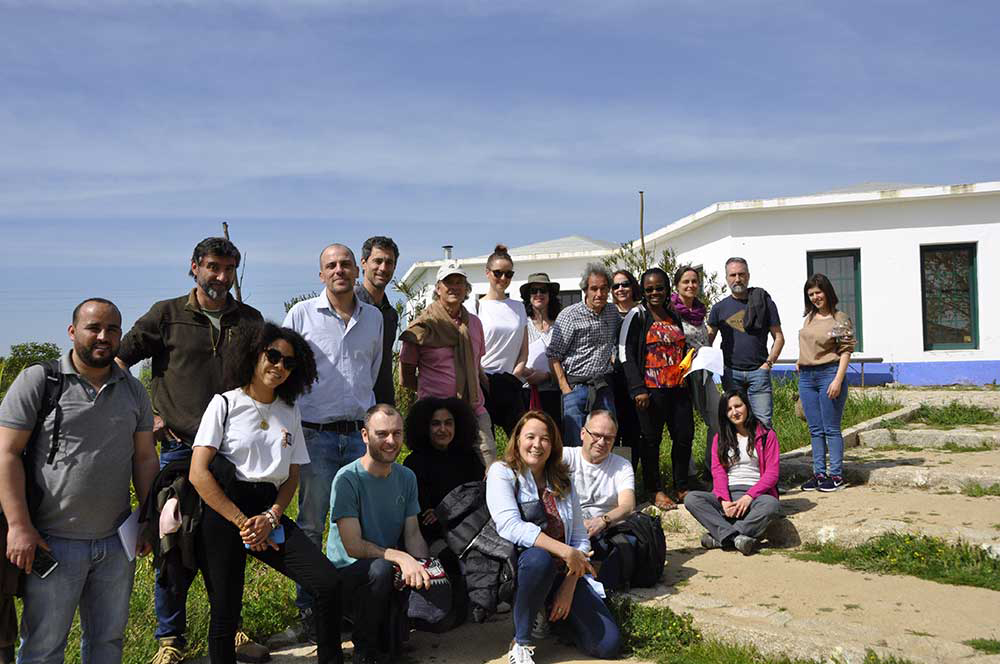
In March 2020, the International Union for Conservation of Nature (IUCN) and ANP/WWF Portugal organized a workshop in Lisbon, Portugal. The aim of the workshop was to bring together experts and M6 partners from the project landscapes to explore the economic practices and options that can sustain or improve the viability of cultural practices that support cultural landscapes across the Mediterranean. The workshop provided participants with an opportunity to take stock of their progress, assess unique and shared opportunities and challenges, and identify common areas for improvements, learning, and collaboration.
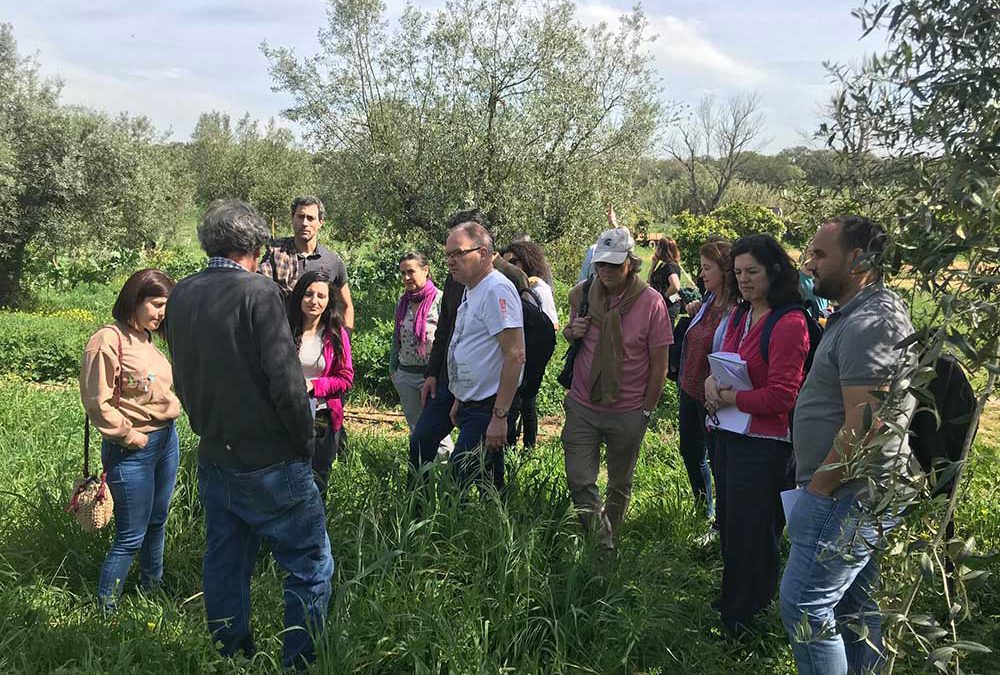
As part of the workshop, there was a field visit to Herdade do Freixo do Meio, a local organic farm and food cooperative inspired by the traditional “montado” farming system, which is closely linked to the ancient Portuguese oak forest. Since 1997, the estate has been producing food in a way more adapted to the natural local conditions and more efficient in terms of environmental costs, attentive to the social reality and following agroecology and food sovereignty principles. This includes organic and biodynamic farming, as well as permaculture techniques. Learning about the unique philosophy and seeing the methods used on the farm first hand was a source of inspiration and discussion for the group.

The information shared at the workshop has been synthesized in a Lessons Learnt report, along with the research findings from the different economic studies that have been undertaken in the landscapes over the past years, to inform future work. The report provides recommendations for developing market initiatives that can lead to improvements and increased sustainability of cultural practices, biodiversity and livelihoods in the focus landscapes. The findings of the report, which will be launched in September, include:
- The main point of agreement is the need to leverage cultural practices to create a common identity around the sustainable management of landscapes.
- There are shared challenges around defining specific practices for promoting shared values and successfully transmitting the value of these practices to a large number of consumers. The involvement of consumers in the formulation of sustainable production practices as “co-producers” can allow consumers to feel a stronger sense of connection to the farmers and breeders from whom they get their food.
- Questions remain around the feasibility of both formal third-party certification schemes as well as informal labelling schemes, since the market is already saturated by labels and they can sometimes give misleading information about products, which might confuse consumers.
- Sustainable tourism and other complementary income generating activities can play a role in local economics, if they complement and support traditional practices.
- Cooks, chefs, and private sector companies can play an important role in helping producers communicate the value of their products and practices. However, the main responsibility is in the hands of the communities and producers that live in and shape cultural landscapes.
Eating an Organic Mediterranean Diet Helps Fight Disease
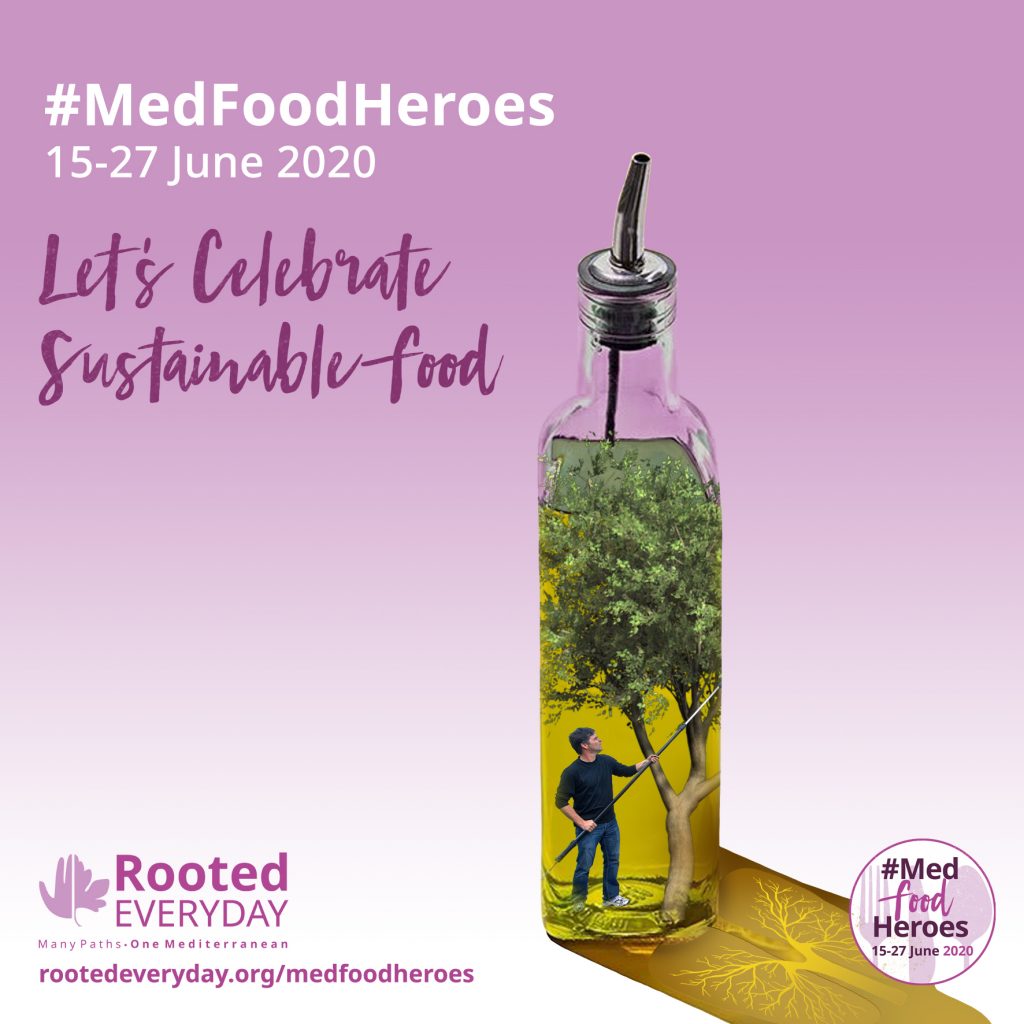
For years nutritionists have extolled the virtues of a Mediterranean diet, now environmental NGOs like WWF are calling for us to improve our health and the environment by following the Med. The #MedFoodHeroes campaign from 15-27 June coordinated by @RootedEveryday celebrates the rich cuisine the Mediterranean has to offer and the benefits to people and planet when we buy from small sustainable producers.
Meet #MedFoodHeroes Ambassador: Marinos Skolarikos
Marinos studied Greek Culture at the Hellenic Open University, attended Folklore courses at the National and Kapodistrian University of Athens and has completed a series of seminars in History, Philosophy, Journalism and New Media.
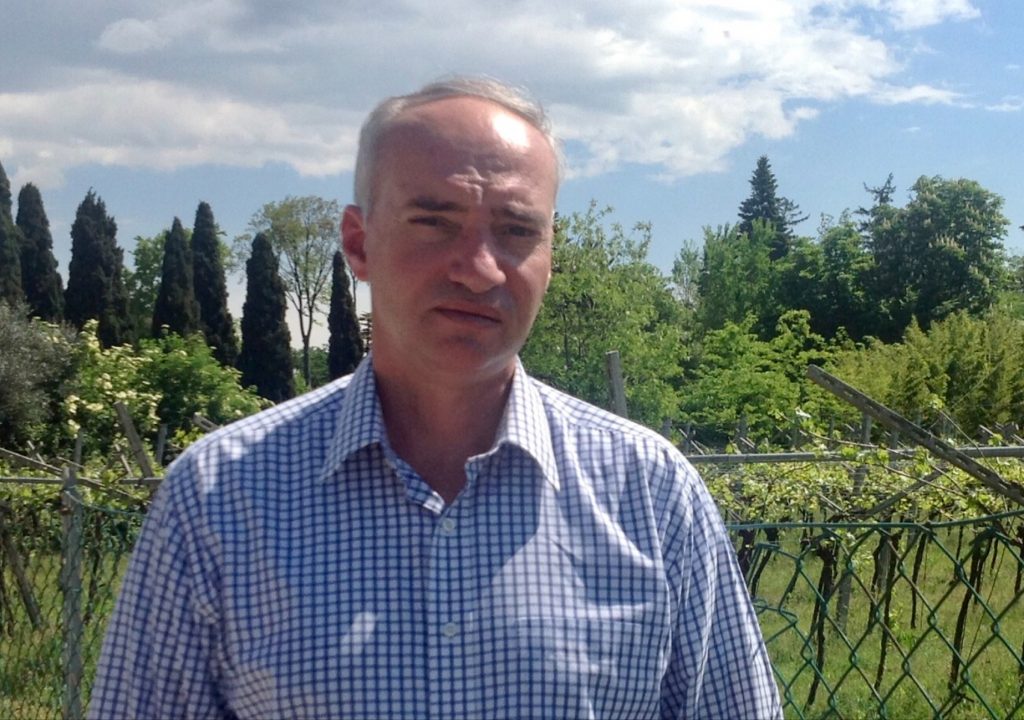
Meet #MedFoodHero Ambassador: Nikos Mastropavlos
Nikos Mastropavlos is a journalist, cultural scientist, and the publisher of www.eudemonia.gr which focusses on the culture of everyday life in Greece - especially food, travel and the arts.
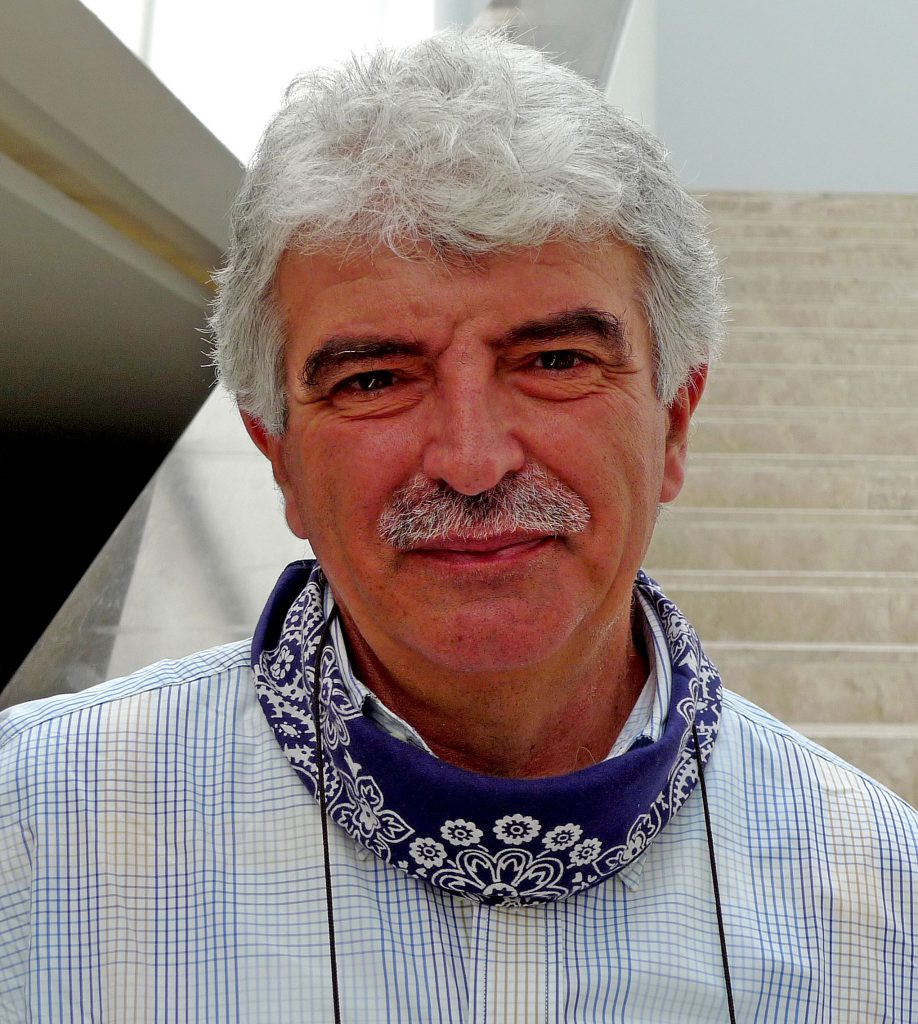
Meet #MedFoodHero Ambassador: Renato Álvarez
Renato Álvarez was born into a “neo-rural” family who were trailblazers of organic farming in Andalusia. They were also members of the first social movements and associations dedicated to the production and organic food. Since he was little he was involved in agriculture until he decided to study Environmental Sciences at the Pablo de Olavide University (Seville).
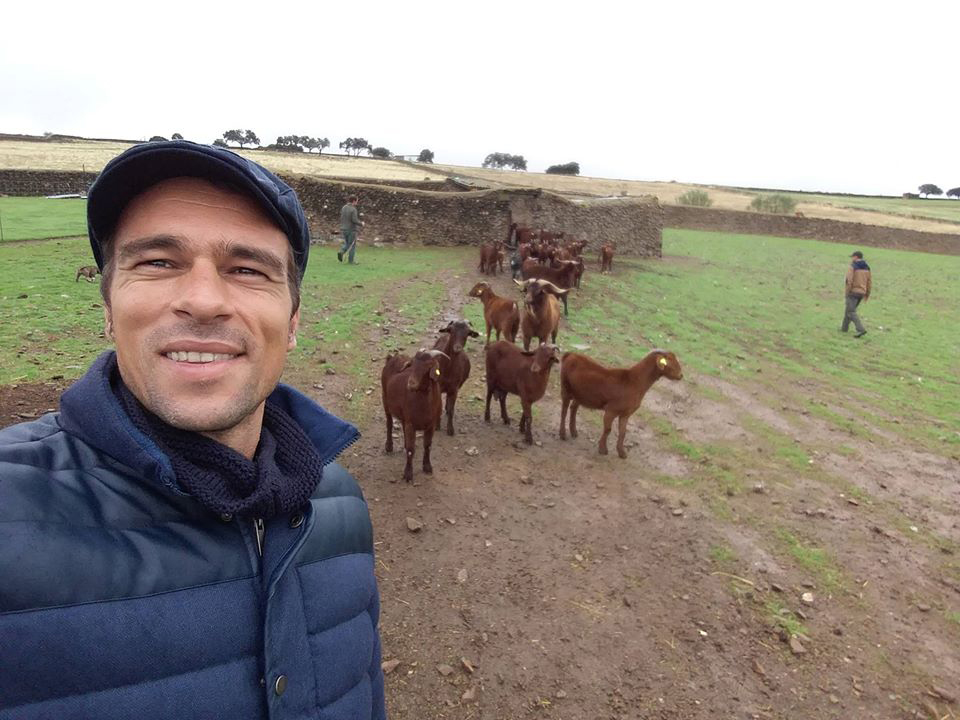
Meet #MedFoodHero Ambassador: Fábio Bernadino
Fábio Bernardino is a Chef, the CEO of Travel & Flavours, a teacher, gastronomic consultant, trainer and event organizer; a young Chef whose excellence opened the doors to major Portuguese hotels and restaurants, like the Pestana Hotéis & Resorts group or the Heritage Lisboa Hotels, where he left his mark of professionalism and rigour. With a great passion for cooking, and especially for pastry, he started his career at the age of 14, when he attended the Professional Cooking and Pastry Course of the Lisbon Hotel and Tourism School.
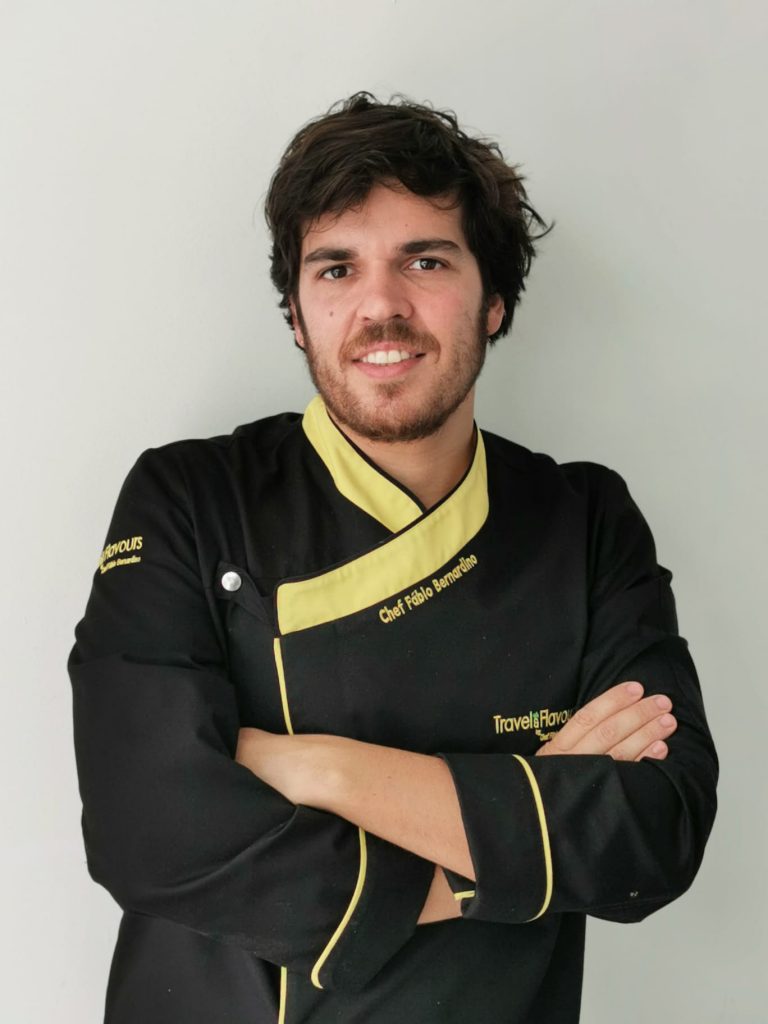
Meet #MedFoodHero Ambassador: Alfredo Sendim
Alfredo Cunhal Sendim was born in Porto and spent his childhood between Lisbon (the city), Montemor-o-Novo (the countryside) and Ferragudo (the sea). Studied veterinary and zoo technical. In 1990 he moved to the Monte of Herdade do Freixo do Meio, a territory where, step by step, he has been developing a structural project in the agricultural and social field.
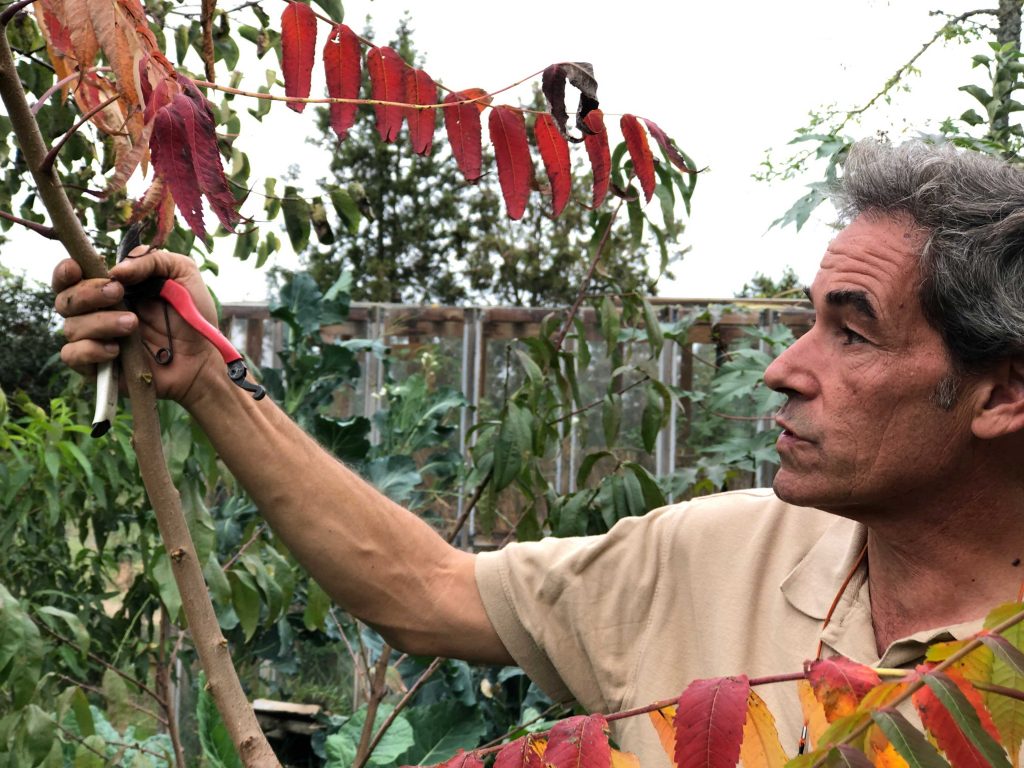
Meet #MedFoodHeroes Ambassador: Sahar Elhallak
Nine years ago, Sahar left her home in California and landed in Morocco in a quest to find herself. While she started a new life in Marrakech, she found some challenges to find restaurants that catered to vegetarians like herself. Since she always enjoyed hosting dinner parties and food-related fundraising events, she started cooking for friends which grew into welcoming people into her beautifully restored hundred-year-old house, for unique culinary experiences.
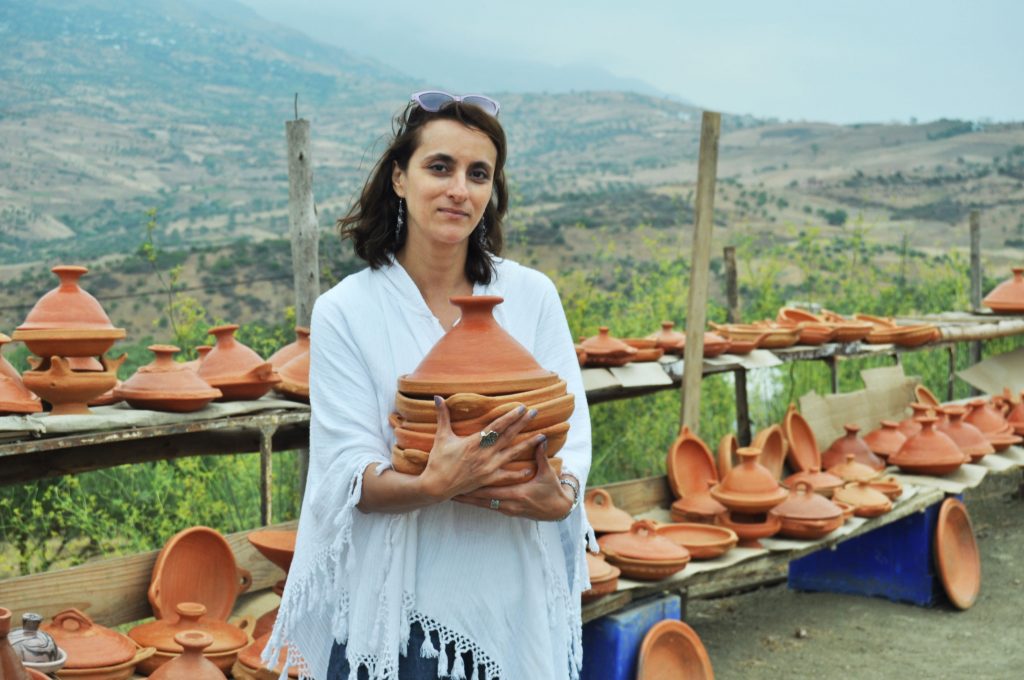
Meet #MedFoodHeroes Ambassador: Najat Kaanache
Born to Moroccan parents in a small town near San Sebastian in Spain, Najat Kaanache has been cooking at home since childhood. Now based between the US, Mexico and Morocco. She now creates magic in the kitchen as the owner and chef of the beautiful restaurant Nur in the ancient medina of Fez, named World’s Best Moroccan Restaurant in 2017, 2018 and 2019. She also opened CÚS (a Moroccan bistro in the heart of Mexico City) and Nacho Mama (a funky Mexican cantina in the medina of Fez).
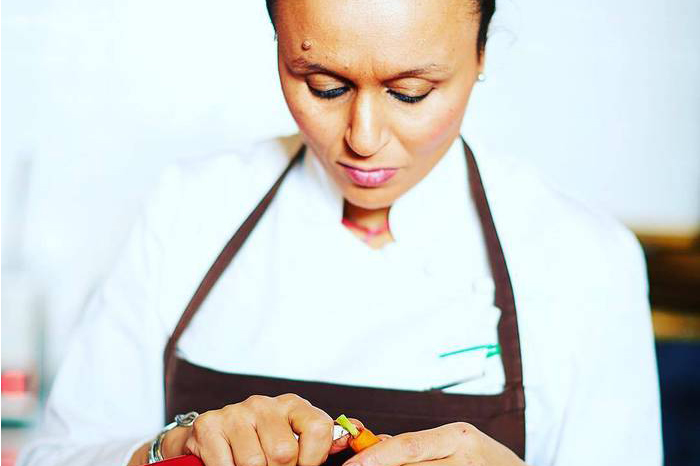
Meet #MedFoodHeroes Ambassador: Driss Mellal
Driss Mellal was born in a small town in the south of Morocco, near the beautiful Dades valley. His love for cooking started at the age of 20, when he was in art school in southern France. He missed Moroccan food and flavours and so started cooking and experimenting himself. After graduating from art school, he didn’t work in the arts as planned, but instead went to culinary school. “I finally got to combine my art background with new cooking skills, and it became the start of a new life for me,” Driss says.
Meet the Winner of 2019 Rooted Everyday #MedStoryPrize
Sophia Sifaki from Greece is the winner of the first Mediterranean environmental-themed short story prize with her story The Treasure. Sifaki’s story The Treasure spins an enchanting conservation tale in which a young doctor arrives on the small Greek island of...