
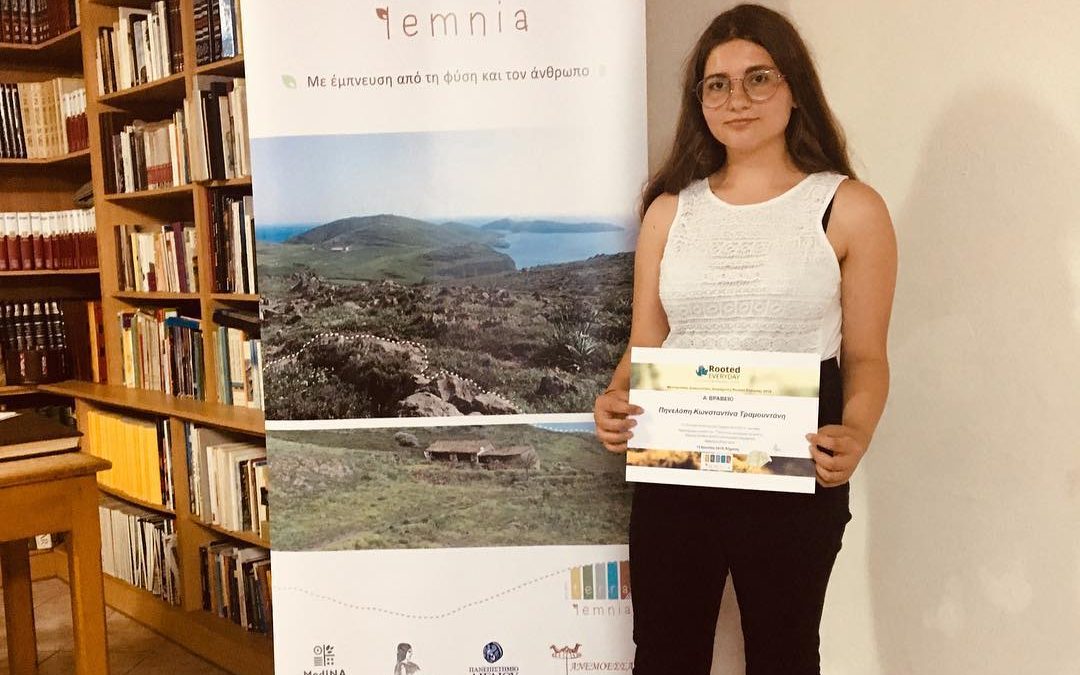
The first light of day came into the room and, at the same time, the most beautiful child that the human eye has seen was born. Her mother was the Queen of Lemnos, the woman that all men shivered with the sound of her name. It was said that even Zeus lowered his gaze in front of her. The famous Myrina, the leader of three thousand Amazons. The father of the child was said to be the distant King Thoas, but there were rumors in and out of the island. At every point of the earth, rumors about Hephaestus’ descendant were not few. Besides, there was nothing to refute them.
Even goddess Aphrodite was jealous when she heard about the beauty of Hypsipyle. The very next day she visited Lemnos. With black darkness covering her, she approached the little princess’s crib. She looked inside and saw two green eyes staring at her, as if waiting for her. Goddess Demeter had generously offered her the color of the vast plains of Lemnos for her small shining eyes. She had separated with her own hands the best cotton wool on the island to make her white skin. For days, until sunset, she waited patiently exactly where the sand embraced the sea, choosing the best ginger rays to knit the hair of Princess Hypsipyle.
The most beautiful goddess of all took a step back, obviously troubled; she had seen those eyes with the vivid look before. Thousands of years had passed from that time, she thought everything was over, but she was wrong. Aphrodite disappeared for the next few years. Her father was looking for her, no one understood why an almighty goddess was hiding from everyone. If they had understood, they would run to hide with her.
Hypsipyle was growing up on a cursed island, that’s how passers-by called it. The smell of burned leather made you dizzy. It flowed from the inside of women. Few of them got rid of it.
She is seven years old and has yet to say a word. The locals said that beautiful Hypsipyle was the curse that ruined the island. But who would dare to do harm to the daughter of Queen Myrina?
They were all angry, captured in hatred, the darkest feeling that the pure people of Lemnos had never experienced before. Hatred against a small creature that they did not know how to handle. This pure people had the idea of killing first the mother and then the child, which, without shame, they called the deaf monster. But was the child to blame, when her mother had sacrificed her speech? She had donated the child’s voice to Hera, in order to make the medicine that would slowly eradicate the sickness inside the bodies of women, who had been suffering for thirty years.
Hephaestus, seeing the wrath of the people and his helpless child in the middle, couldn’t help but getting involved. The last dragon was a fact. Hypsipyle had acquired a pair of golden-green feathers rooted among the bones of her back and a fiery breath holding away anyone who wanted to harm her. Now she was a dragon; a dragon does not only have fire within, it is fire!
The most precious good people could have. But again no one appreciated it. The wisest of all agreed that the last dragon must die. Now hatred became fear. And no one disagreed, with Myrina ruling the army that would kill her child and shouting encouraging slogans about how the monster that existed on her island must die. But without fire, how would civilization be born? How would they keep away the cold and make tools? How would they stay alive without fire? Nobody wondered. They burst into the battle with spears and stones.
Hypsipyle believed they would now understand how useful she could be. She was flying over the golden shores, from yellow fields full of wheat or white fields with pure cotton. The bees flew next to her ear and muttered their song. She gracefully landed to the biggest village, looking closely around her. The inhabitants seemed all but happy, with their arms in their hands.
She tried to run close to her mother, but two men kept her tight from the wrists. She tried to fly, but in the place of her beautiful wings there were now two deep wounds that did not seem to be healing. But that did not hurt as much as the gaze of hatred of her mother, when she slowly sank the spear into her lungs. The end of the dragon meant the end of the island of fire….
The gods saw this massacre by the furious people and, knowing what would follow, they chose to leave for a nearby planet that the disaster could not reach. They got away.
It was the story of a species that would make our world better but people stopped it from doing so. It does not differ much from the other forty animal species that have experienced the same pain in the last half century. We are not gods; we cannot leave at any time. So let’s protect our Hypsipyle, no matter what that may be…
The End
Workshop Discussions and Research Findings to Culminate in a Shared Resource on Increased Sustainability of Cultural Practices, Biodiversity and Livelihoods in Cultural Landscapes_original
At a workshop held in March 2020, project partners explore economic practices and options that can sustain or improve the viability of cultural practices that support cultural landscapes across the Mediterranean.

Eating an Organic Mediterranean Diet Helps Fight Disease
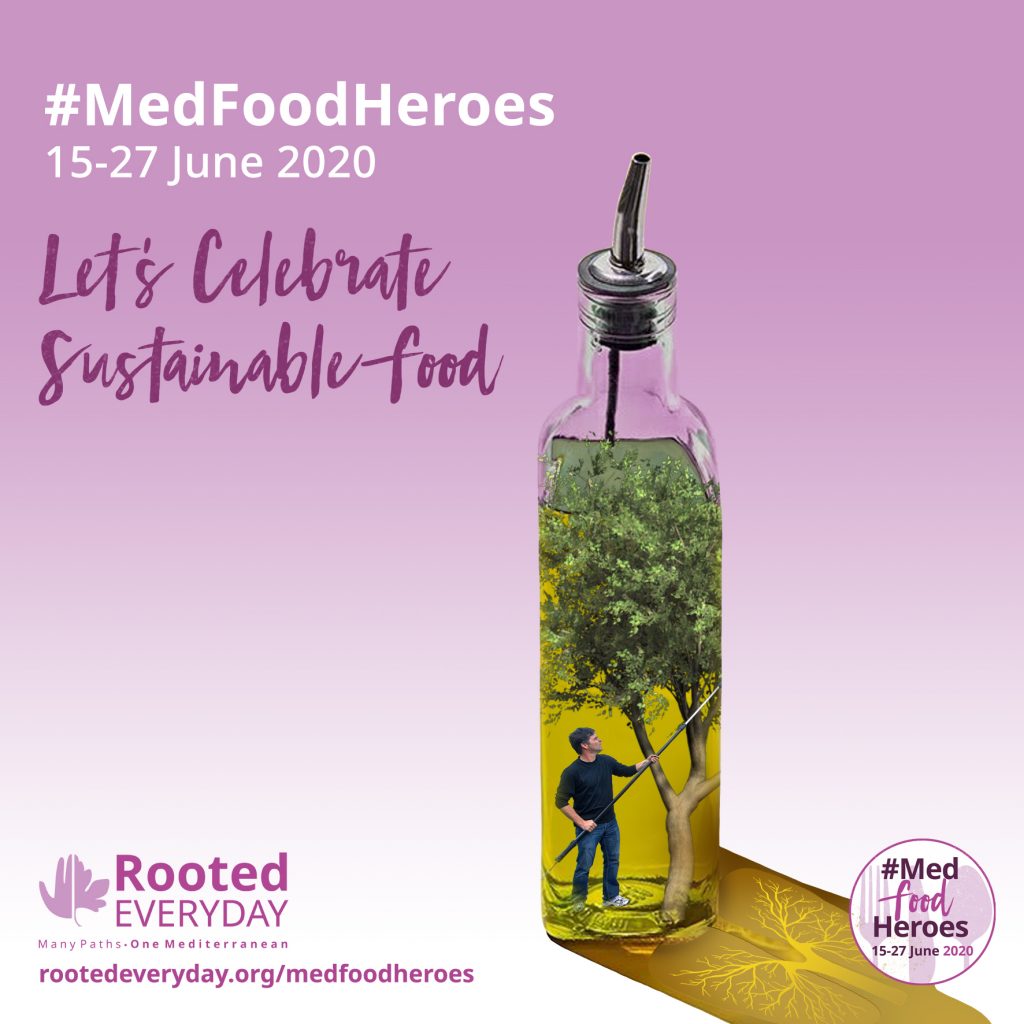
For years nutritionists have extolled the virtues of a Mediterranean diet, now environmental NGOs like WWF are calling for us to improve our health and the environment by following the Med. The #MedFoodHeroes campaign from 15-27 June coordinated by @RootedEveryday celebrates the rich cuisine the Mediterranean has to offer and the benefits to people and planet when we buy from small sustainable producers.
Meet #MedFoodHeroes Ambassador: Marinos Skolarikos
Marinos studied Greek Culture at the Hellenic Open University, attended Folklore courses at the National and Kapodistrian University of Athens and has completed a series of seminars in History, Philosophy, Journalism and New Media.
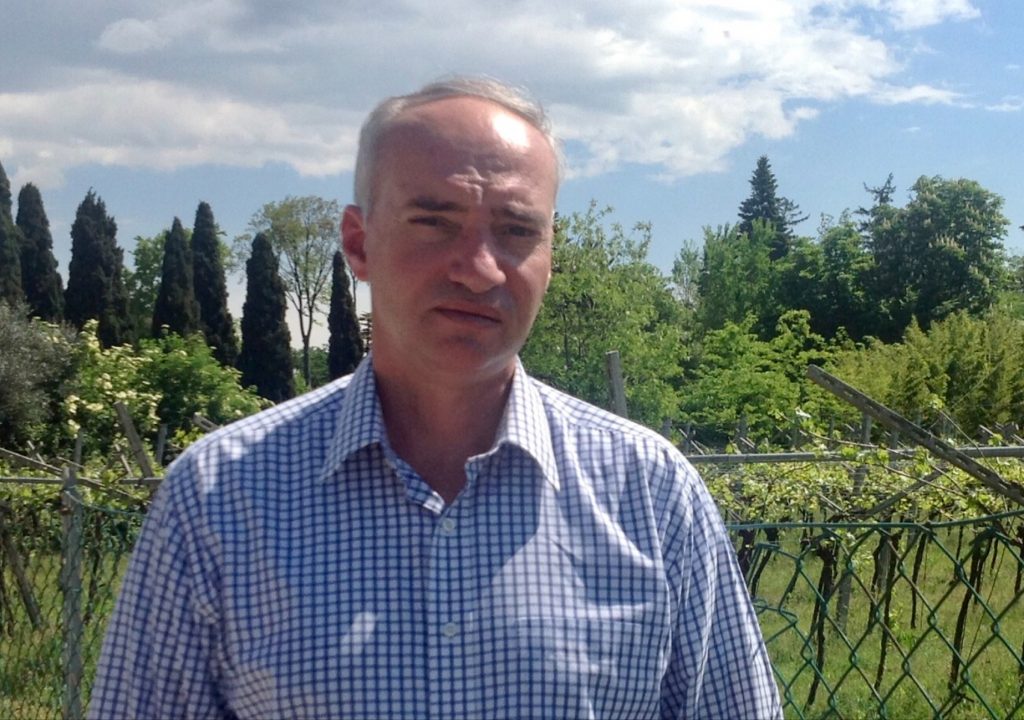
Meet #MedFoodHero Ambassador: Nikos Mastropavlos
Nikos Mastropavlos is a journalist, cultural scientist, and the publisher of www.eudemonia.gr which focusses on the culture of everyday life in Greece - especially food, travel and the arts.
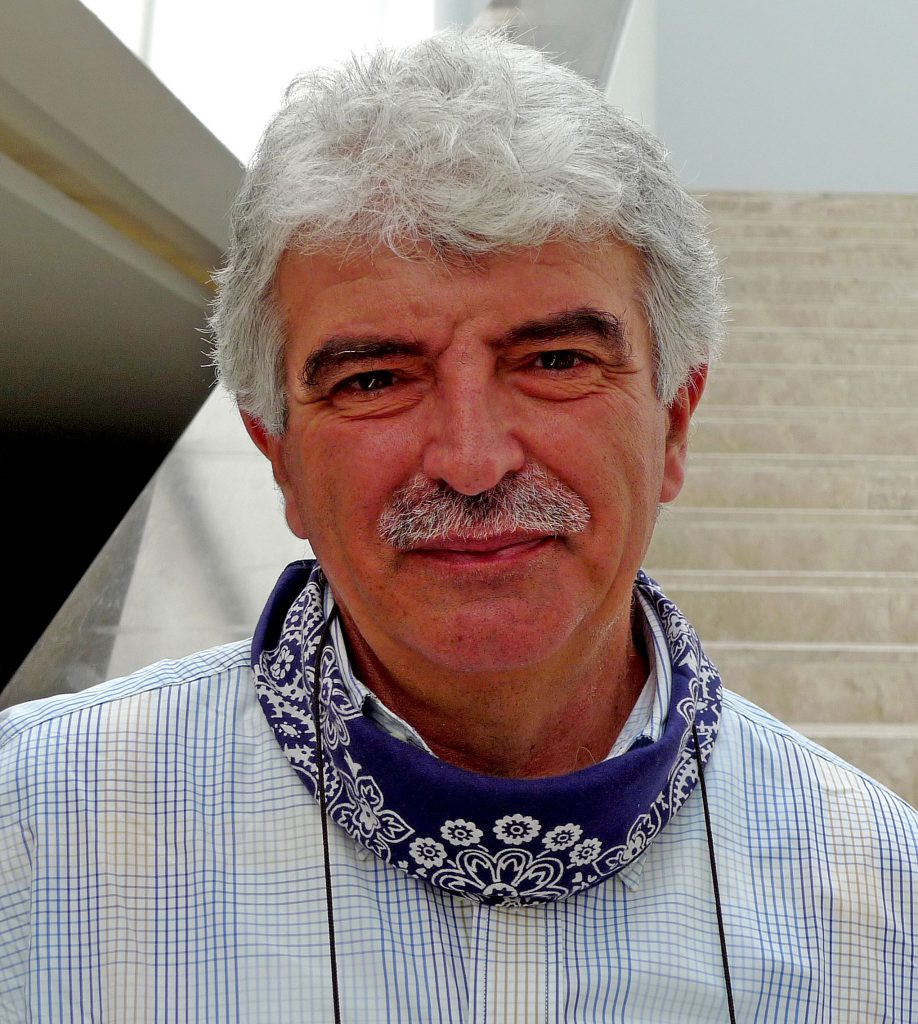
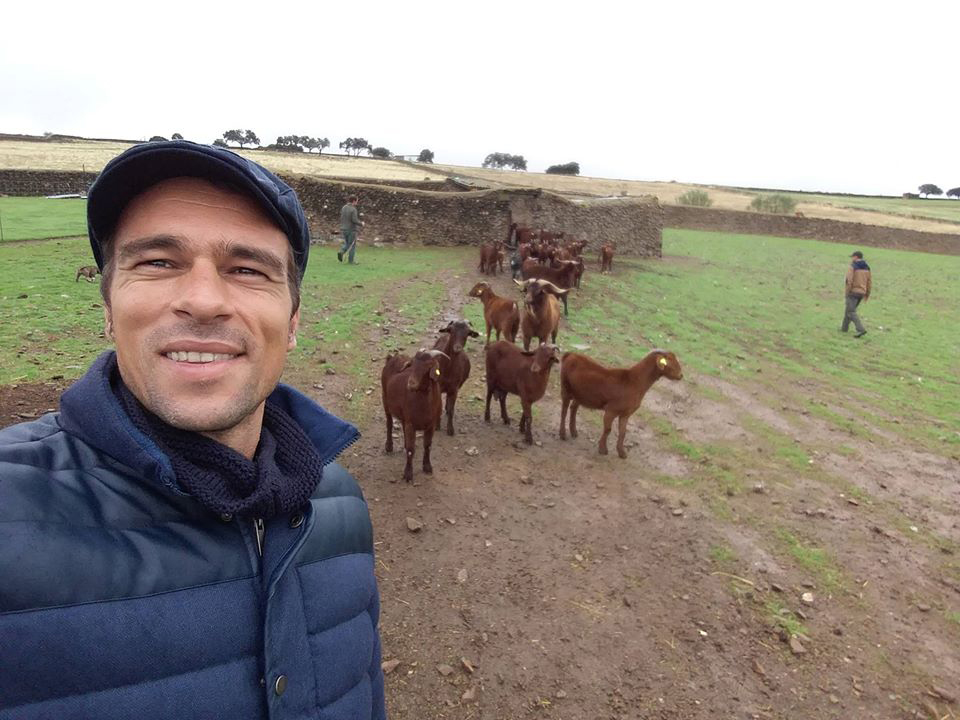
Meet #MedFoodHero Ambassador: Renato Álvarez
Renato Álvarez was born into a “neo-rural” family who were trailblazers of organic farming in Andalusia. They were also members of the first social movements and associations dedicated to the production and organic food. Since he was little he was involved in agriculture until he decided to study Environmental Sciences at the Pablo de Olavide University (Seville).
Trackbacks/Pingbacks