The Rooted Everyday Mediterranean Short Story Prize celebrates and protects the rich culture and biodiversity found in Mediterranean ecoregions.
School pupils within the Rooted Everyday campaign eco-regions of Lemnos in Greece, High Atlas mountains in Morocco, Montados in Portugal and Shouf mountains in Lebanon were invited to submit stories with an environmental theme to raise awareness of the importance of biodiversity and preserving cultural heritage in the Mediterranean.
Alongside the adult competition, children and young people could enter into either a 500 word prize for 8 to 13 year olds, or the 1000 word prize for 14 to 18 year olds.
There were two main winners who showed exceptional storytelling skills and inspired the judges. The winners were presented with certificates in a ceremony and received books, a dictionary, an encyclopedia about animals, plants and nature and they also received a package of school materials.
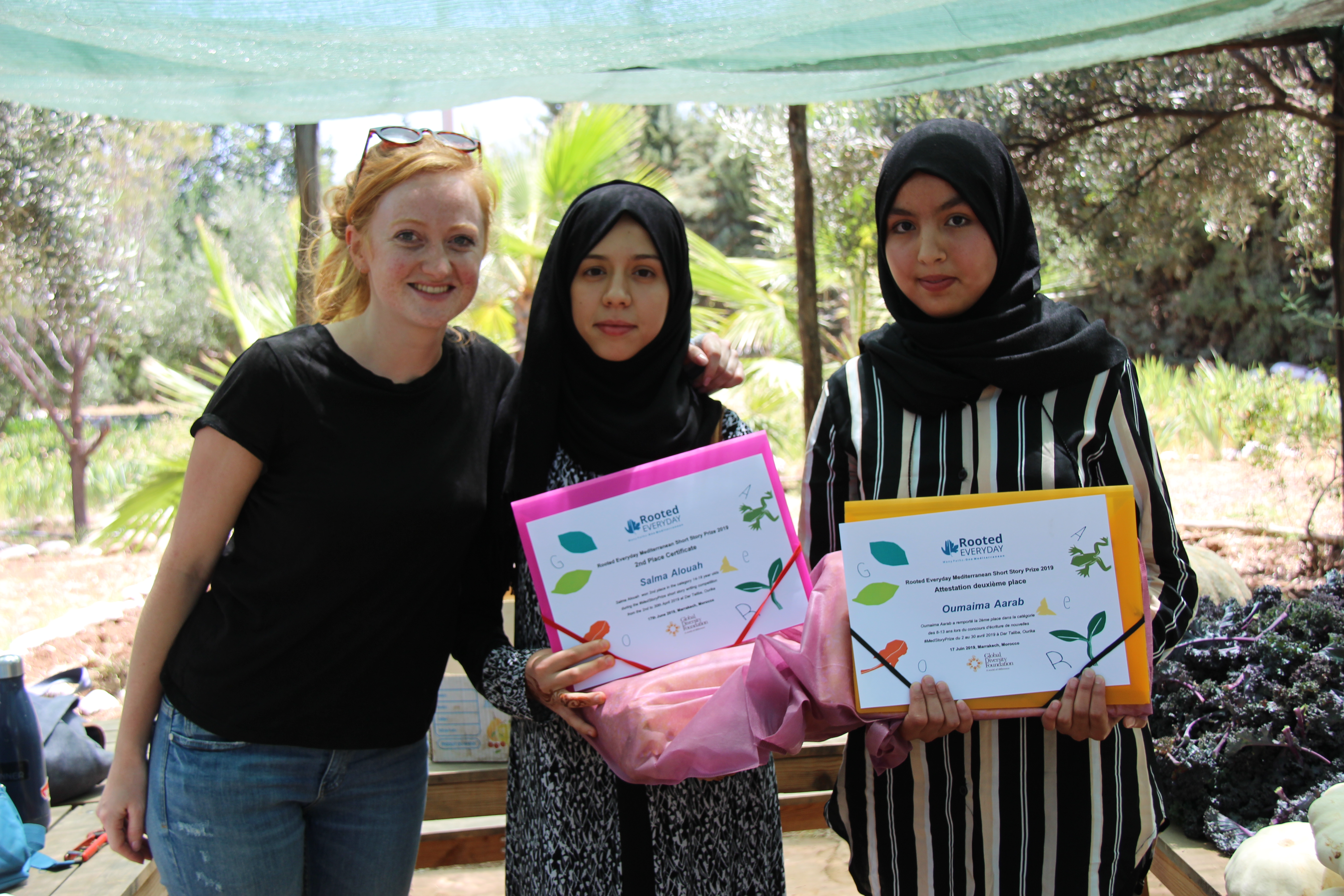
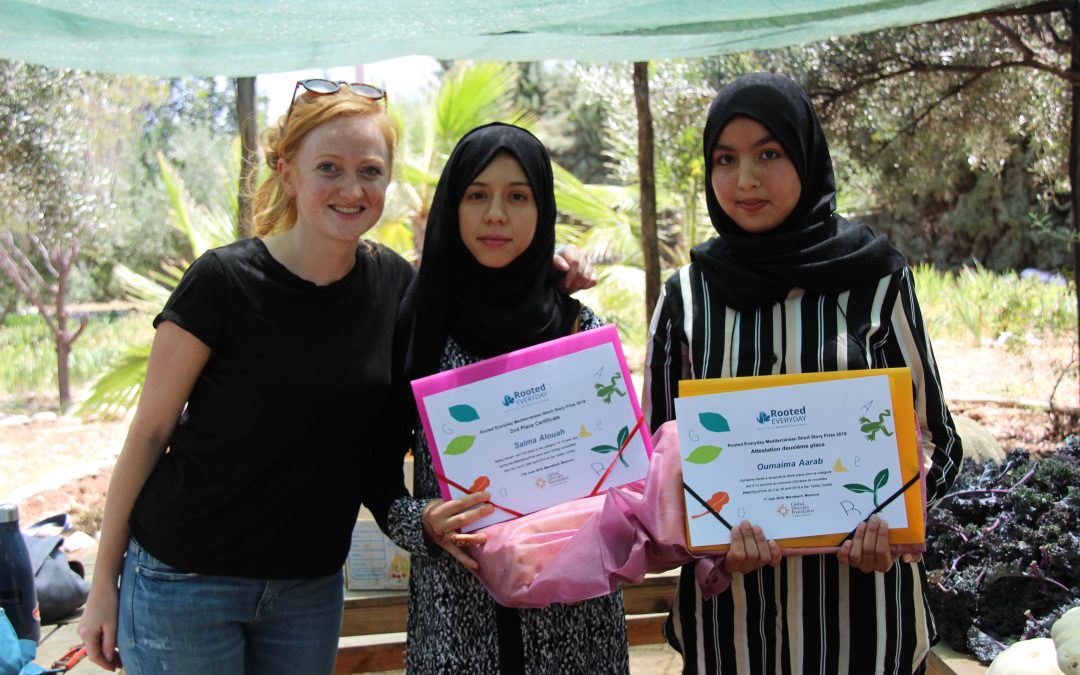
There were also two runners up in the competition Oumaima Aarab and Salma Alouah.
The Judge, Moroccan poet and author Brahim Elboukhari explained the judging process:
“It has been a great pleasure to be part of the competition and enjoy reading so many amazing short stories from the participants. I have read all the stories more than three times each and it has been difficult for me to choose the best one from each category because the stories carried a similar amount of talent and skill. So, I had to reread each story considering the writing skills and short story techniques, plot, characterization, setting, and dialogue, style and language to make a fair judgement”
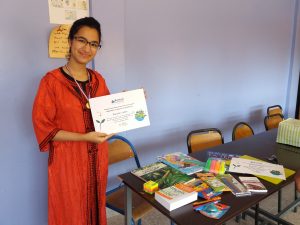 Kaoutar Lakhr from Lycée Ibn Sina in Biougra (Agadir), won with her story The Garbage Monster.
The Garbage Monster tells the story of two young girls who time-travelled to the future and found planet Earth deserted and in a terrible state: a sea full of oil and garbage everywhere. While they look around at the state of the Earth they meet a monster who is made of all kinds of garbage. He is very angry with humans and the girls quickly learn why…
Winner Kaoutar Lakhr said “I’ve won first place for the Rooted Everyday story competition, I am so happy! I read a lot of stories and watch a lot of movies for children because they use a lot of imagination. For this story, I drew inspiration from them. I have been reading a lot of children’s books. If you read my story you’ll see it is aimed at children. I tried to be as original as possible and use a clear language suited for children.”
Judge Brahim Elboukhari said: “Reading Kaoutar’s short story takes us into great dialogue, the whole story is knitted around dialogue which makes it stand out among the others. I also enjoyed the imagination of the writer, especially through the use of remote control to bring into existence the garbage monster. The story is different and innovative; it’s a way to make people see what they can make out of garbage.”
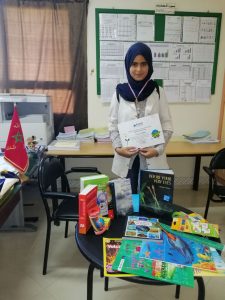 The Missing Message by Faiza Lhbabi from Sebou Middle School in Fes was also a winner.
The Missing Message is a story about a group of animal friends living in a beautiful forest. However, the forest trees are losing their green colour and the river that was once flowing through the forest has completely dried up. The animals are worried they’ll die of thirst. One morning, they all gather to discuss how they are going to survive and if people will be able to help them…
Faiza Lahbabi told us: “I am really happy to win the #MedStoryPrize. I wrote every single word with love and hope that readers will love it. Being a countryside girl, I am also aware of the environmental problems that affect our daily life, and I believe that collaboration and solidarity among countries and people are a suitable solution to these issues.”
Judge Brahim Elboukhari said “Although the story takes us to the animal world, it’s really immersed in our world and what makes the story more powerful is the ending. It is a confirmation of what goes on in our real situation that there is a missing link between human beings and nature. The animals are sending messages to humans, but the messages never arrive, this is a wake-up call to all of us to stand up for nature.”
Workshop Discussions and Research Findings to Culminate in a Shared Resource on Increased Sustainability of Cultural Practices, Biodiversity and Livelihoods in Cultural Landscapes_original
At a workshop held in March 2020, project partners explore economic practices and options that can sustain or improve the viability of cultural practices that support cultural landscapes across the Mediterranean.

Eating an Organic Mediterranean Diet Helps Fight Disease
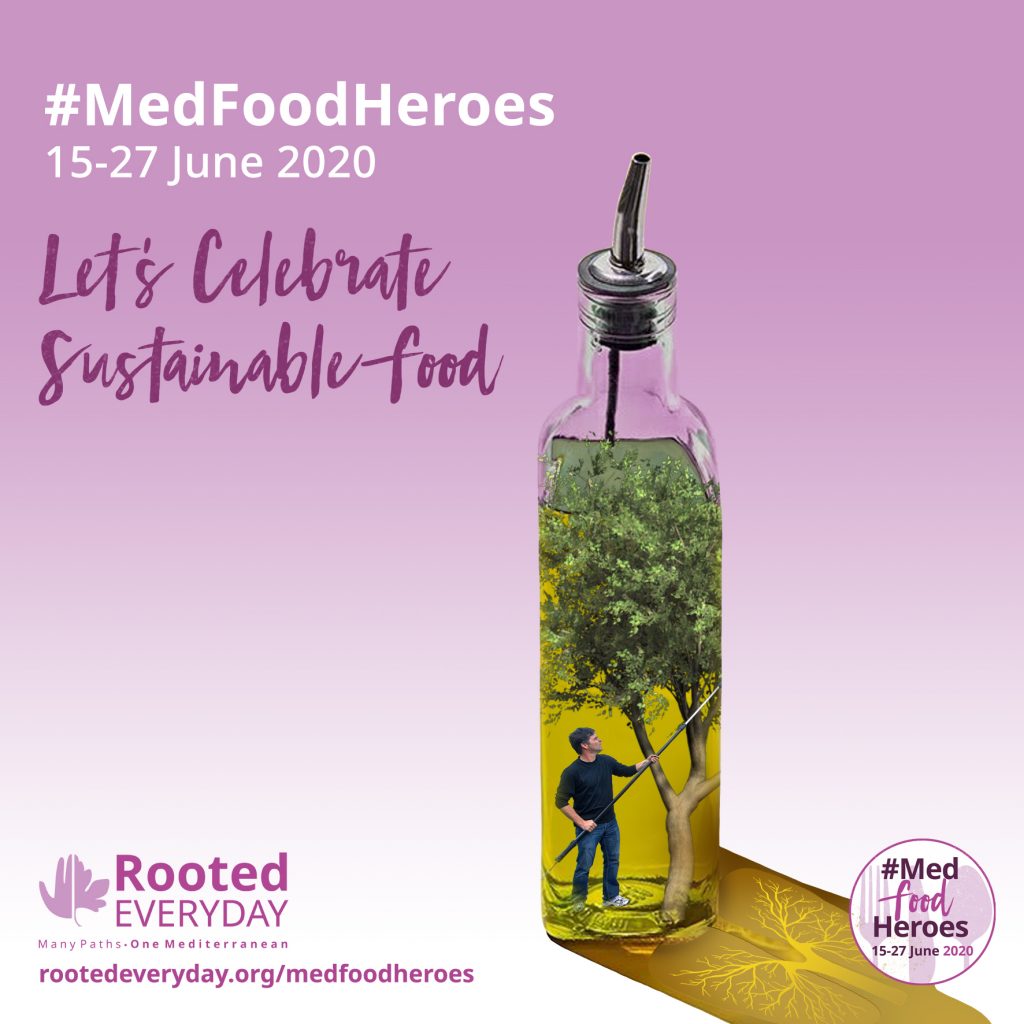
For years nutritionists have extolled the virtues of a Mediterranean diet, now environmental NGOs like WWF are calling for us to improve our health and the environment by following the Med. The #MedFoodHeroes campaign from 15-27 June coordinated by @RootedEveryday celebrates the rich cuisine the Mediterranean has to offer and the benefits to people and planet when we buy from small sustainable producers.
Meet #MedFoodHeroes Ambassador: Marinos Skolarikos
Marinos studied Greek Culture at the Hellenic Open University, attended Folklore courses at the National and Kapodistrian University of Athens and has completed a series of seminars in History, Philosophy, Journalism and New Media.
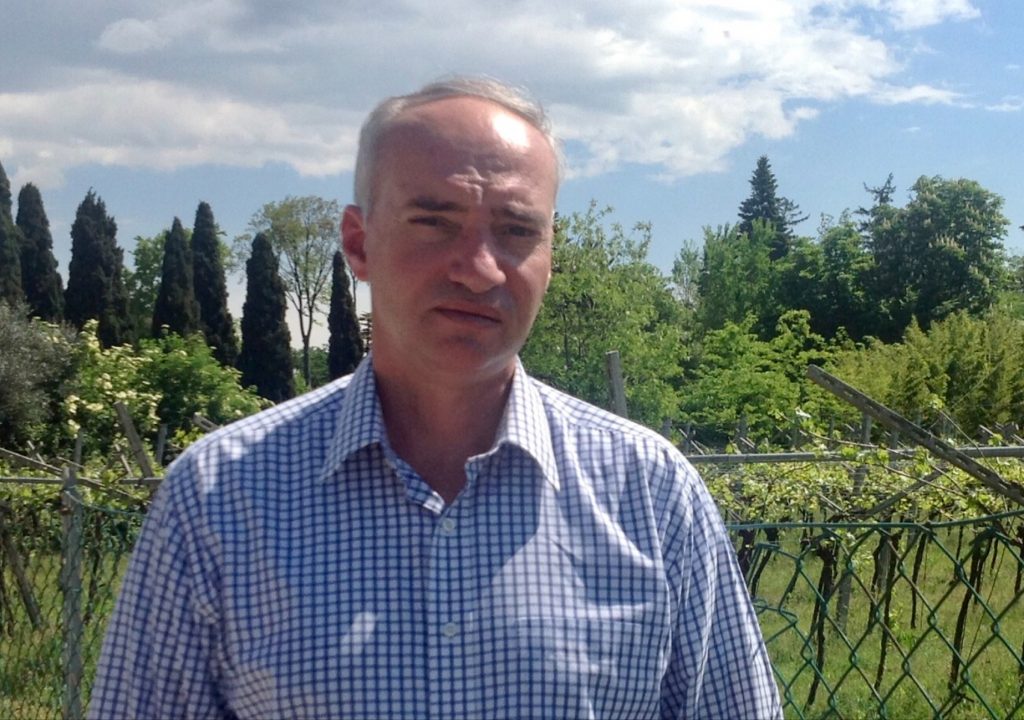
Meet #MedFoodHero Ambassador: Nikos Mastropavlos
Nikos Mastropavlos is a journalist, cultural scientist, and the publisher of www.eudemonia.gr which focusses on the culture of everyday life in Greece - especially food, travel and the arts.
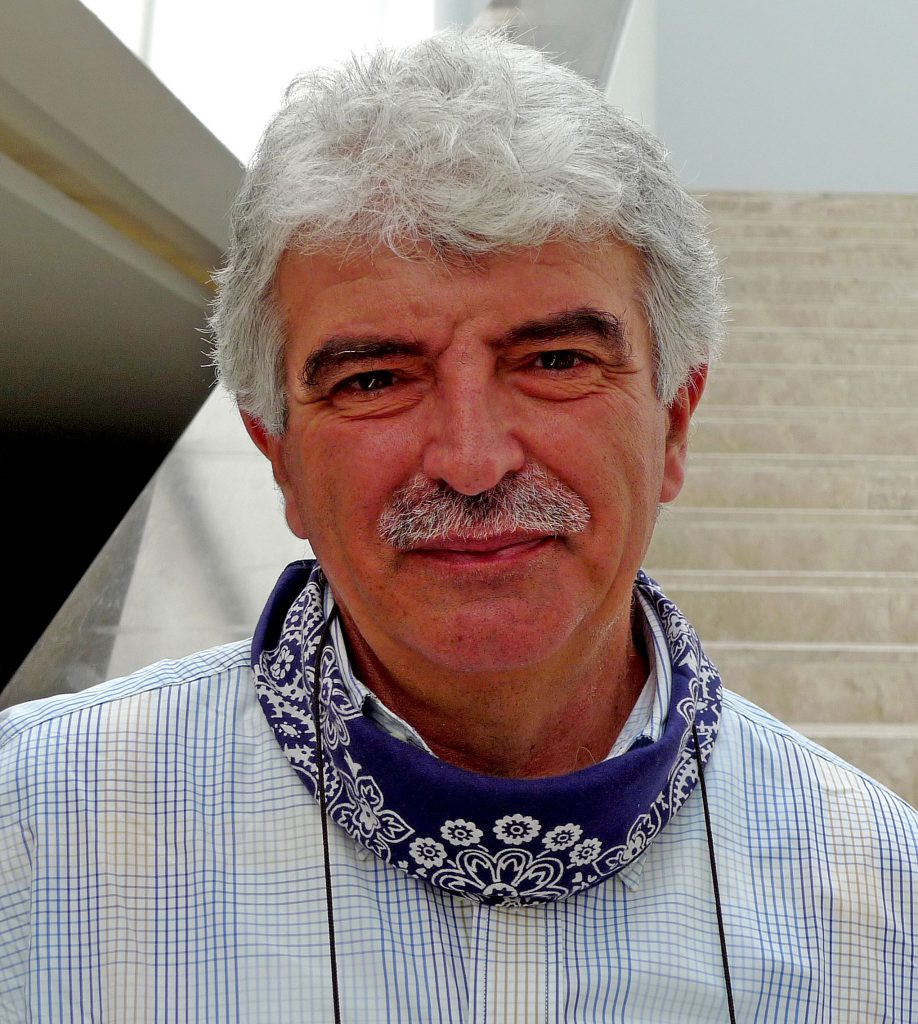
Meet #MedFoodHero Ambassador: Renato Álvarez
Renato Álvarez was born into a “neo-rural” family who were trailblazers of organic farming in Andalusia. They were also members of the first social movements and associations dedicated to the production and organic food. Since he was little he was involved in agriculture until he decided to study Environmental Sciences at the Pablo de Olavide University (Seville).
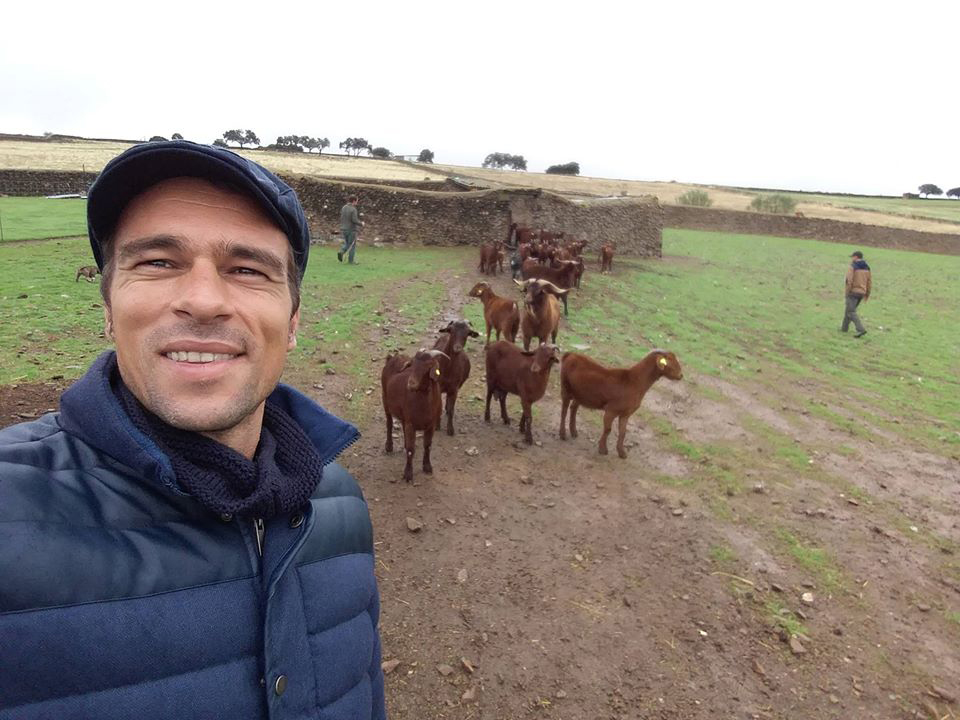
Meet #MedFoodHero Ambassador: Fábio Bernadino
Fábio Bernardino is a Chef, the CEO of Travel & Flavours, a teacher, gastronomic consultant, trainer and event organizer; a young Chef whose excellence opened the doors to major Portuguese hotels and restaurants, like the Pestana Hotéis & Resorts group or the Heritage Lisboa Hotels, where he left his mark of professionalism and rigour. With a great passion for cooking, and especially for pastry, he started his career at the age of 14, when he attended the Professional Cooking and Pastry Course of the Lisbon Hotel and Tourism School.
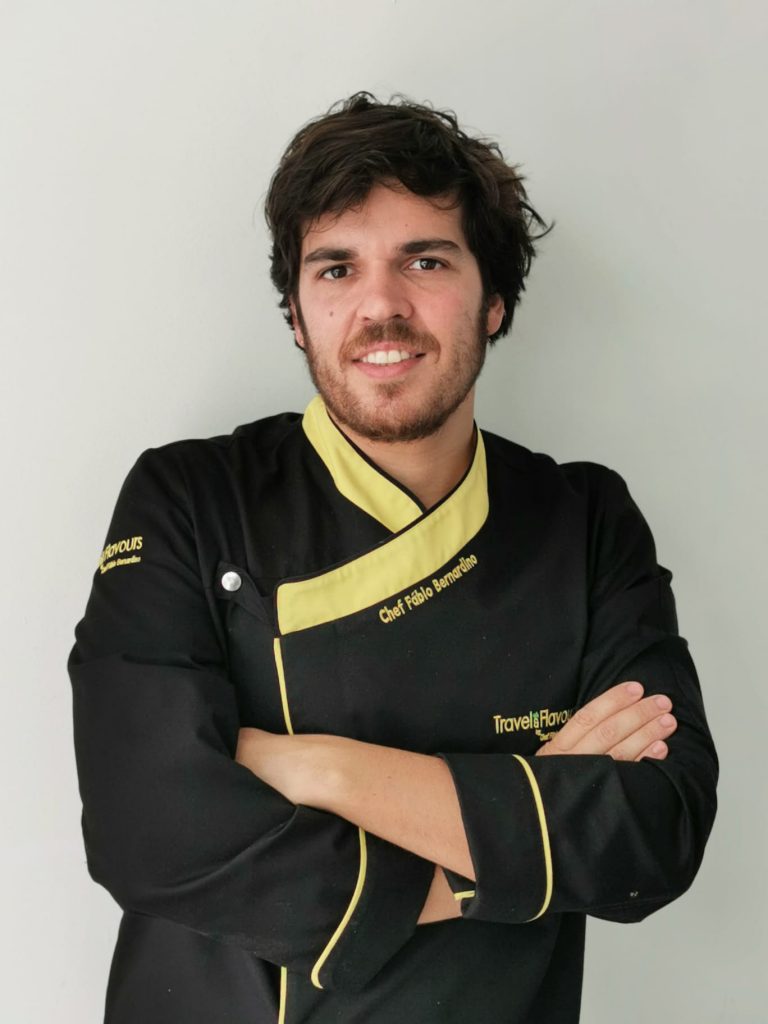
Meet #MedFoodHero Ambassador: Alfredo Sendim
Alfredo Cunhal Sendim was born in Porto and spent his childhood between Lisbon (the city), Montemor-o-Novo (the countryside) and Ferragudo (the sea). Studied veterinary and zoo technical. In 1990 he moved to the Monte of Herdade do Freixo do Meio, a territory where, step by step, he has been developing a structural project in the agricultural and social field.
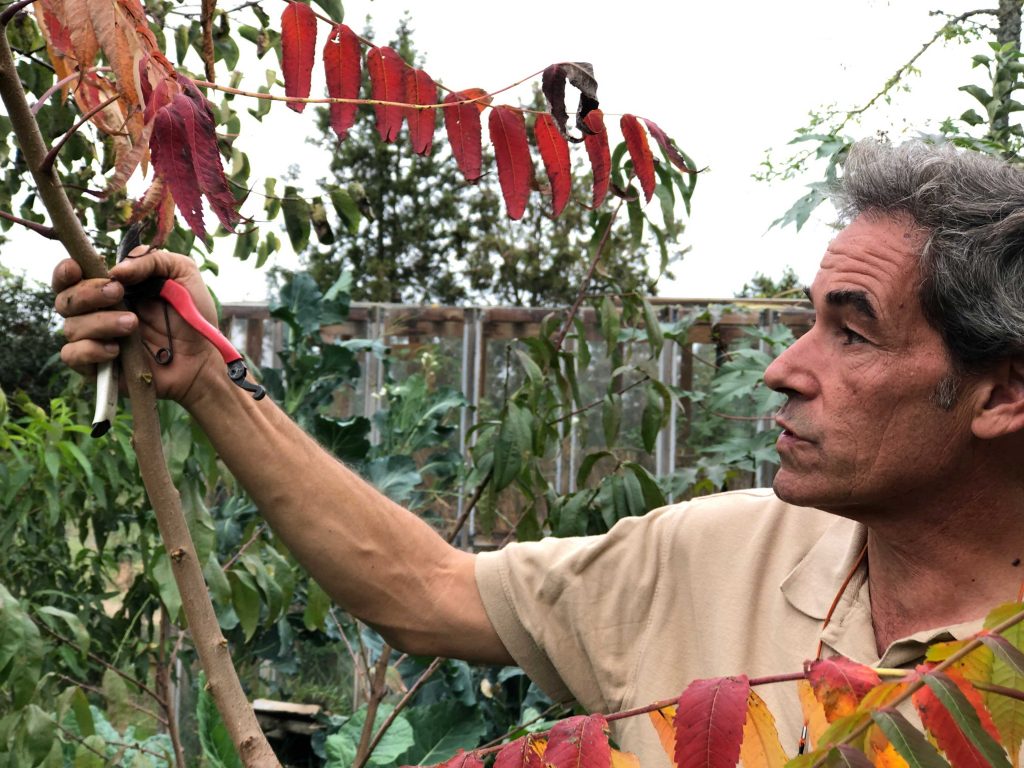
Meet #MedFoodHeroes Ambassador: Sahar Elhallak
Nine years ago, Sahar left her home in California and landed in Morocco in a quest to find herself. While she started a new life in Marrakech, she found some challenges to find restaurants that catered to vegetarians like herself. Since she always enjoyed hosting dinner parties and food-related fundraising events, she started cooking for friends which grew into welcoming people into her beautifully restored hundred-year-old house, for unique culinary experiences.
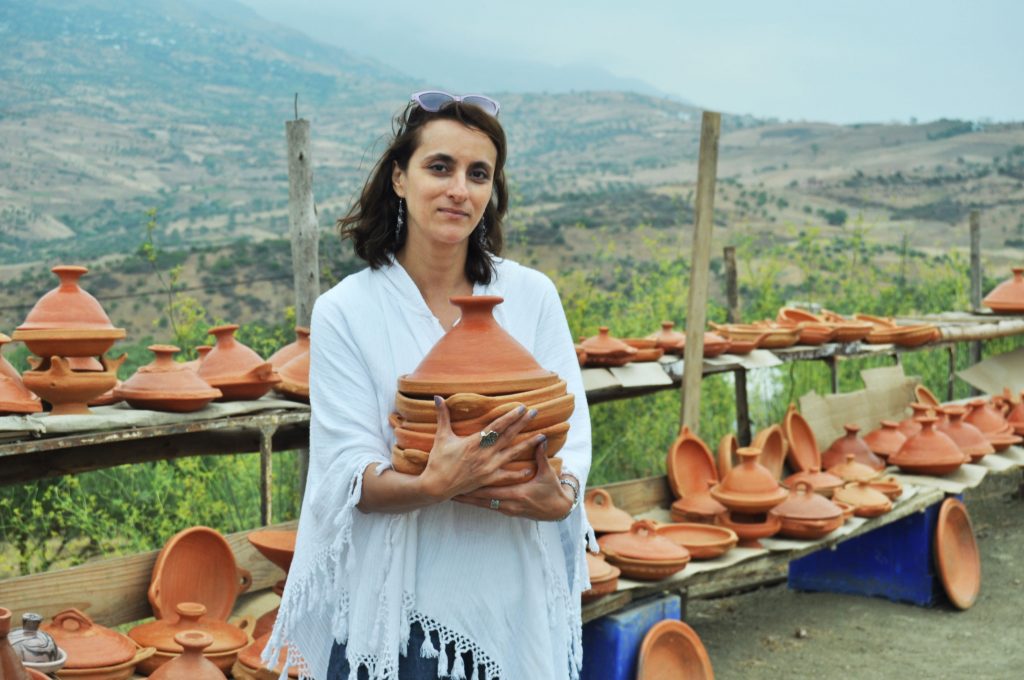
Meet #MedFoodHeroes Ambassador: Najat Kaanache
Born to Moroccan parents in a small town near San Sebastian in Spain, Najat Kaanache has been cooking at home since childhood. Now based between the US, Mexico and Morocco. She now creates magic in the kitchen as the owner and chef of the beautiful restaurant Nur in the ancient medina of Fez, named World’s Best Moroccan Restaurant in 2017, 2018 and 2019. She also opened CÚS (a Moroccan bistro in the heart of Mexico City) and Nacho Mama (a funky Mexican cantina in the medina of Fez).
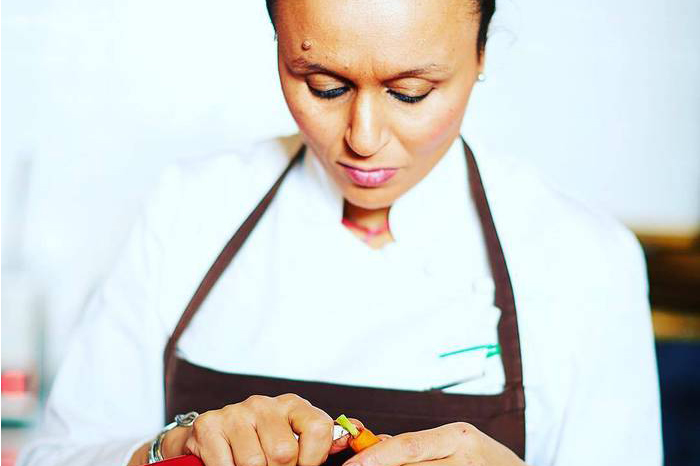
Meet #MedFoodHeroes Ambassador: Driss Mellal
Driss Mellal was born in a small town in the south of Morocco, near the beautiful Dades valley. His love for cooking started at the age of 20, when he was in art school in southern France. He missed Moroccan food and flavours and so started cooking and experimenting himself. After graduating from art school, he didn’t work in the arts as planned, but instead went to culinary school. “I finally got to combine my art background with new cooking skills, and it became the start of a new life for me,” Driss says.