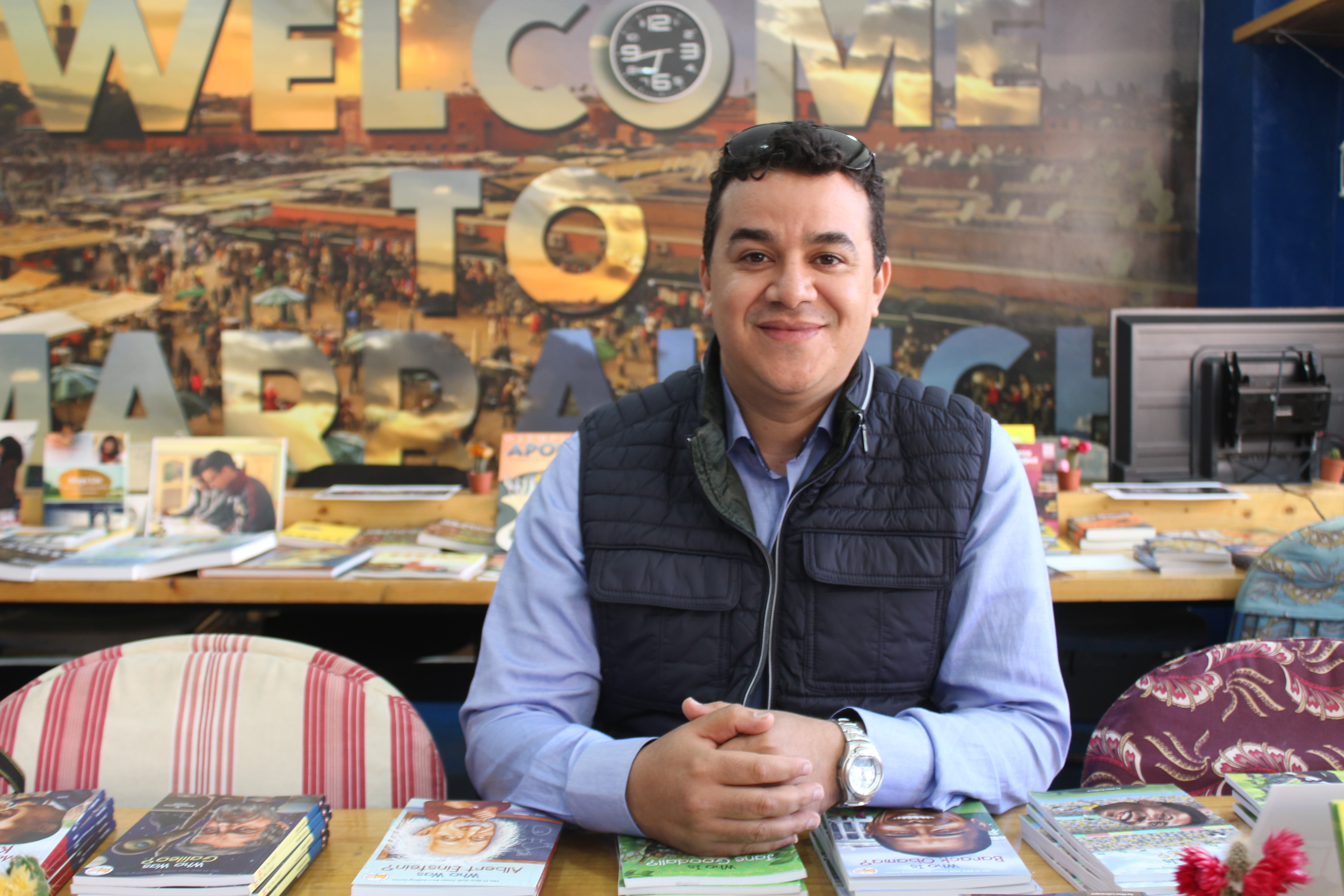
I learned from Mrs Barb Mackraz, the President of Morocco Library Project, that Rooted Everyday will launch an international Short Story Competition, MedStoryPrize2019, featuring Morocco along with other Mediterranean countries. I offered to help in way possible to make it a success because I love writing, a powerful means of communication.
The one thing I love most about writing is the act of siting down, reflecting, gathering your thoughts and composing words with the aim to reach out to every single person in a different way. Writing has always been a powerful tool to document peoples’ stories, emotions, inventions and ideas from one generation to another.
Personally, I am impressed by the huge number of written stories available on world libraries, but at the same time I am displeased by the unknown number of stories that were gone unwritten or even untold.
Like any other society, the high Atlas in Morocco, as an example, is rich of stories that celebrate the close relationship of people and the land. Despite the harsh conditions of life in mountains, the people of high Atlas made it home while exploiting forest, meadows and rivers for their agricultural activities in full respect for the mother nature.
The roughness of high Atlas mountains and the strong will of its dwellers once inspired me to write a poem entitled: The outcry of a montane.
Through my window appears,
Clearly, the lofty mountain.
It kindled intense feelings and fears
In my heart akin to that of a swain.
The wind brought to my ear
A freezing scream, certainly, of a montane
With barely enough clothes to wear.
Suddenly, I abhor snow, wind and rain.
The high Atlas People resorted to oral stories to document their life experiences and to entertain, but most importantly, to educate and guide their children throughout their upbringing and relation to nature. As a little child, I have enjoyed thousand stories told by our grandmother. I still remember the story of “the tribe who died of hunger” because they had the habit of eating fully the ears of barley (children used to eat green barley whenever they went to the fields). This story taught young people to leave a couple of grains on the top of the ear of barley, a practice that aims to keep wheat life cycle.
Unfortunately, nearly all these stories have not been written yet.
MedStoryPrize2019 brings a golden opportunity to Moroccan high atlas students to write and give another life to their immense repertoire of oral folk tales. It is an interesting prospect to celebrate the biodiversity of the high Atlas and hopefully motivate some talented writers to reach out to a bigger audience.
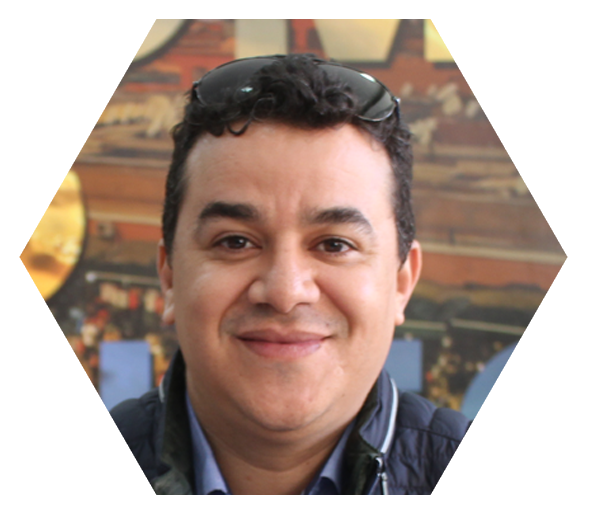
About Larbi Arbaoui
Larbi Arbaoui is a teacher of English with more than 12 years of experience teaching English, animating English clubs, and editing and designing school magazines. Larbi also co-authored Score High in English, a six-level students’ book series for Moroccan primary schools. He is an active member of the Morocco Library Project and an assistant editor at Morocco World News.
Workshop Discussions and Research Findings to Culminate in a Shared Resource on Increased Sustainability of Cultural Practices, Biodiversity and Livelihoods in Cultural Landscapes_original
At a workshop held in March 2020, project partners explore economic practices and options that can sustain or improve the viability of cultural practices that support cultural landscapes across the Mediterranean.

Eating an Organic Mediterranean Diet Helps Fight Disease
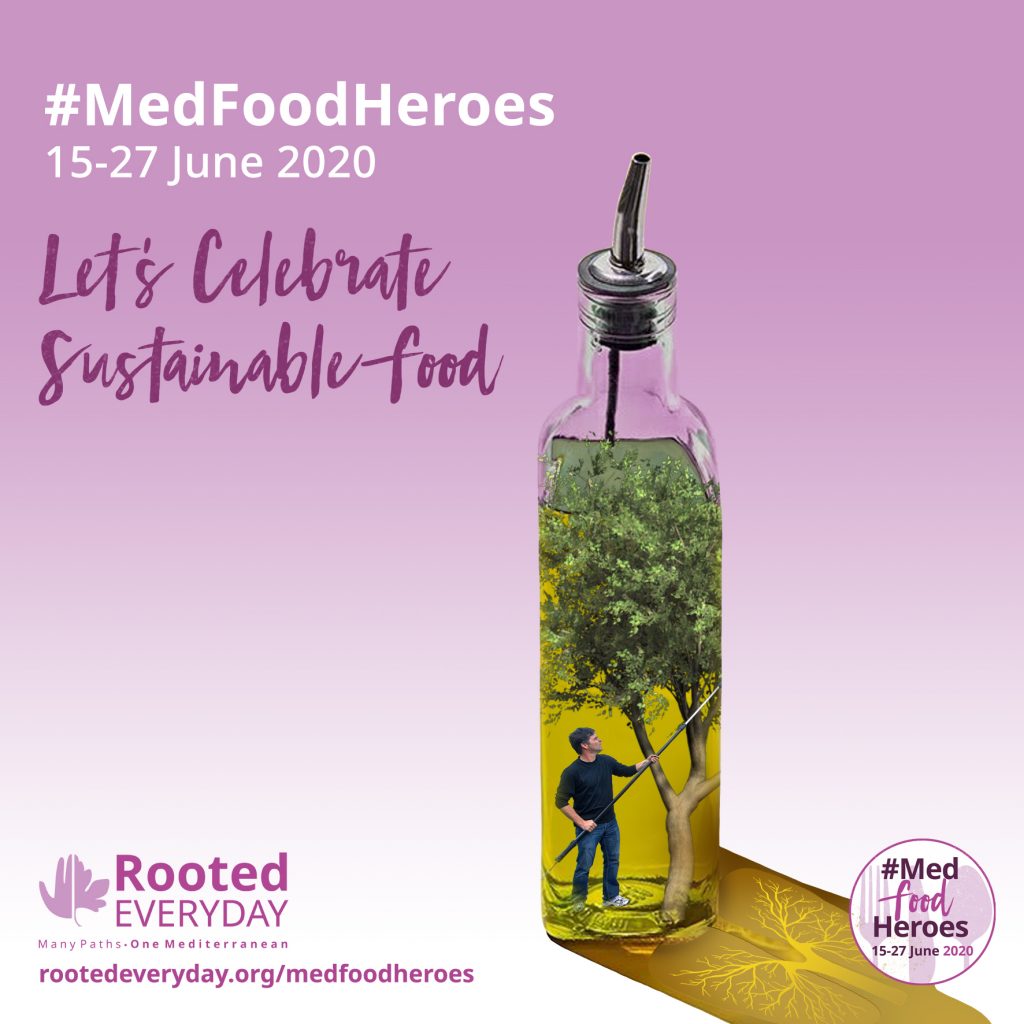
For years nutritionists have extolled the virtues of a Mediterranean diet, now environmental NGOs like WWF are calling for us to improve our health and the environment by following the Med. The #MedFoodHeroes campaign from 15-27 June coordinated by @RootedEveryday celebrates the rich cuisine the Mediterranean has to offer and the benefits to people and planet when we buy from small sustainable producers.
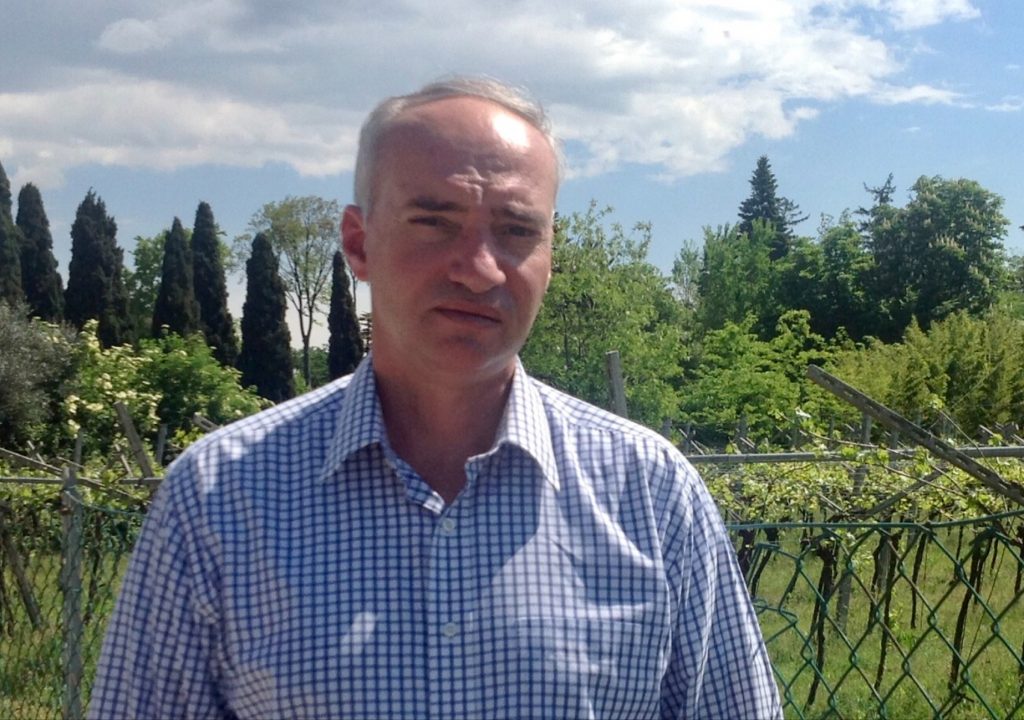
Meet #MedFoodHeroes Ambassador: Marinos Skolarikos
Marinos studied Greek Culture at the Hellenic Open University, attended Folklore courses at the National and Kapodistrian University of Athens and has completed a series of seminars in History, Philosophy, Journalism and New Media.
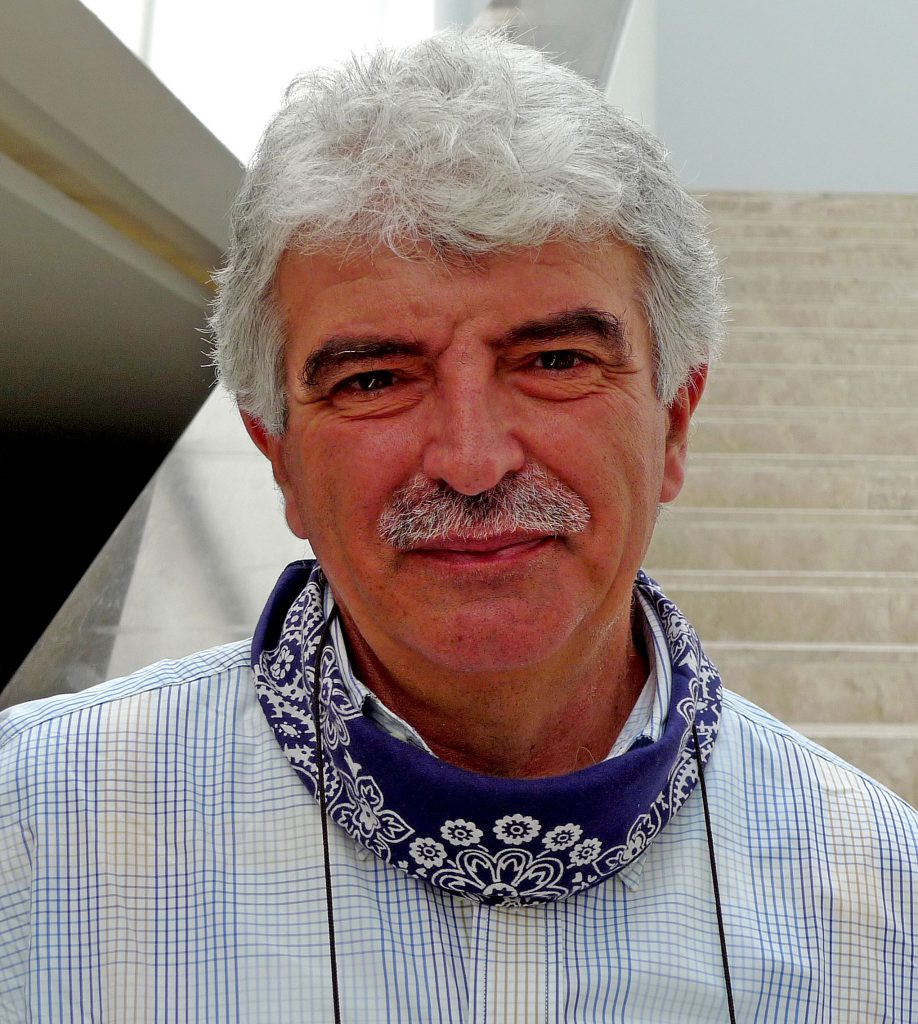
Meet #MedFoodHero Ambassador: Nikos Mastropavlos
Nikos Mastropavlos is a journalist, cultural scientist, and the publisher of www.eudemonia.gr which focusses on the culture of everyday life in Greece - especially food, travel and the arts.
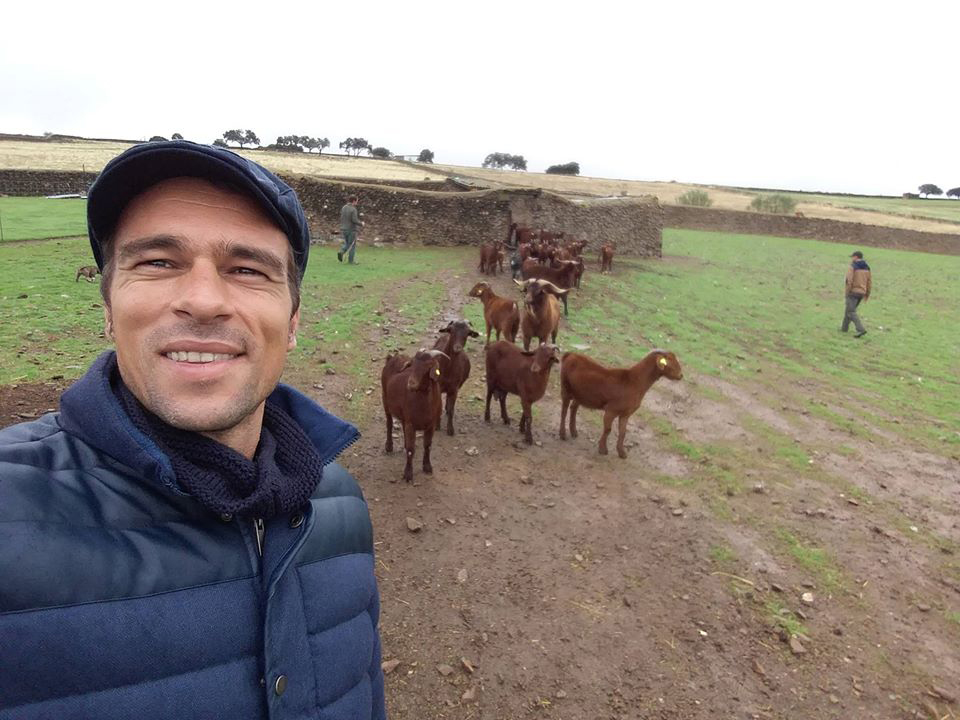
Meet #MedFoodHero Ambassador: Renato Álvarez
Renato Álvarez was born into a “neo-rural” family who were trailblazers of organic farming in Andalusia. They were also members of the first social movements and associations dedicated to the production and organic food. Since he was little he was involved in agriculture until he decided to study Environmental Sciences at the Pablo de Olavide University (Seville).
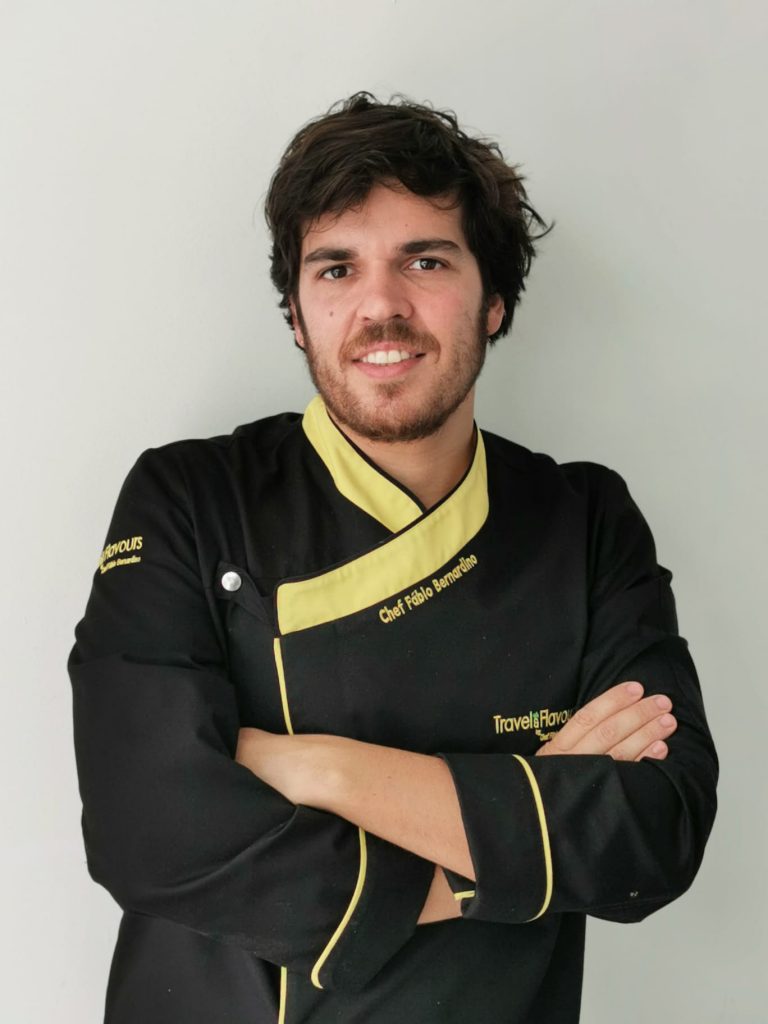
Meet #MedFoodHero Ambassador: Fábio Bernadino
Fábio Bernardino is a Chef, the CEO of Travel & Flavours, a teacher, gastronomic consultant, trainer and event organizer; a young Chef whose excellence opened the doors to major Portuguese hotels and restaurants, like the Pestana Hotéis & Resorts group or the Heritage Lisboa Hotels, where he left his mark of professionalism and rigour. With a great passion for cooking, and especially for pastry, he started his career at the age of 14, when he attended the Professional Cooking and Pastry Course of the Lisbon Hotel and Tourism School.
Meet #MedFoodHero Ambassador: Alfredo Sendim
Alfredo Cunhal Sendim was born in Porto and spent his childhood between Lisbon (the city), Montemor-o-Novo (the countryside) and Ferragudo (the sea). Studied veterinary and zoo technical. In 1990 he moved to the Monte of Herdade do Freixo do Meio, a territory where, step by step, he has been developing a structural project in the agricultural and social field.
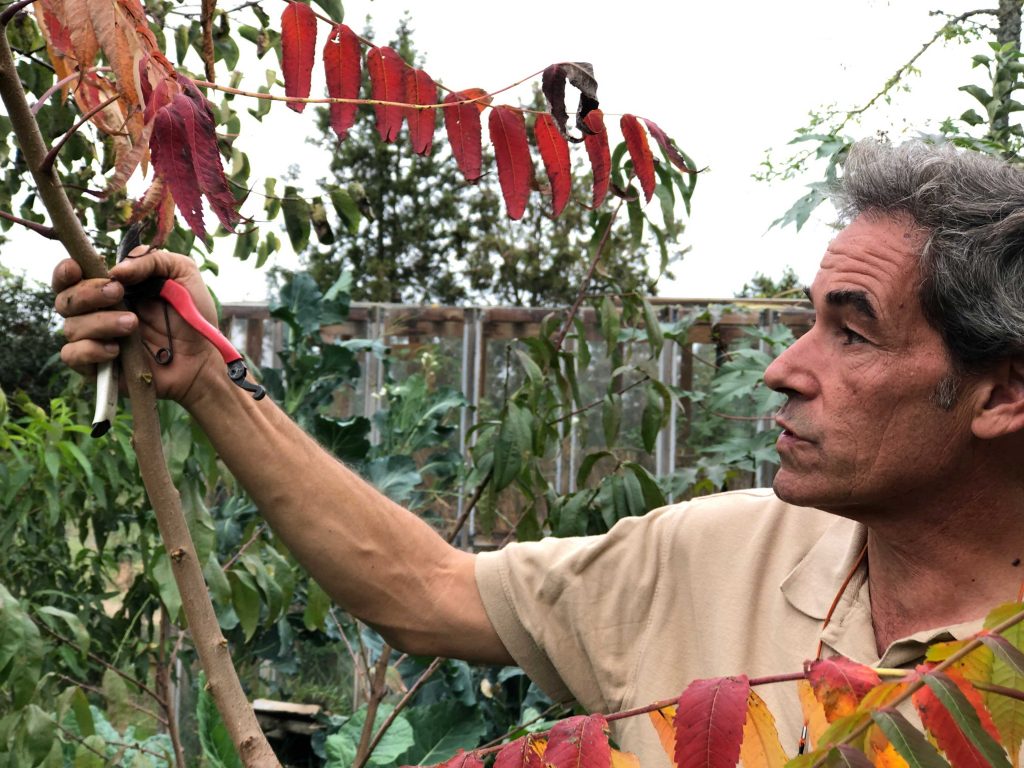
Meet #MedFoodHeroes Ambassador: Sahar Elhallak
Nine years ago, Sahar left her home in California and landed in Morocco in a quest to find herself. While she started a new life in Marrakech, she found some challenges to find restaurants that catered to vegetarians like herself. Since she always enjoyed hosting dinner parties and food-related fundraising events, she started cooking for friends which grew into welcoming people into her beautifully restored hundred-year-old house, for unique culinary experiences.
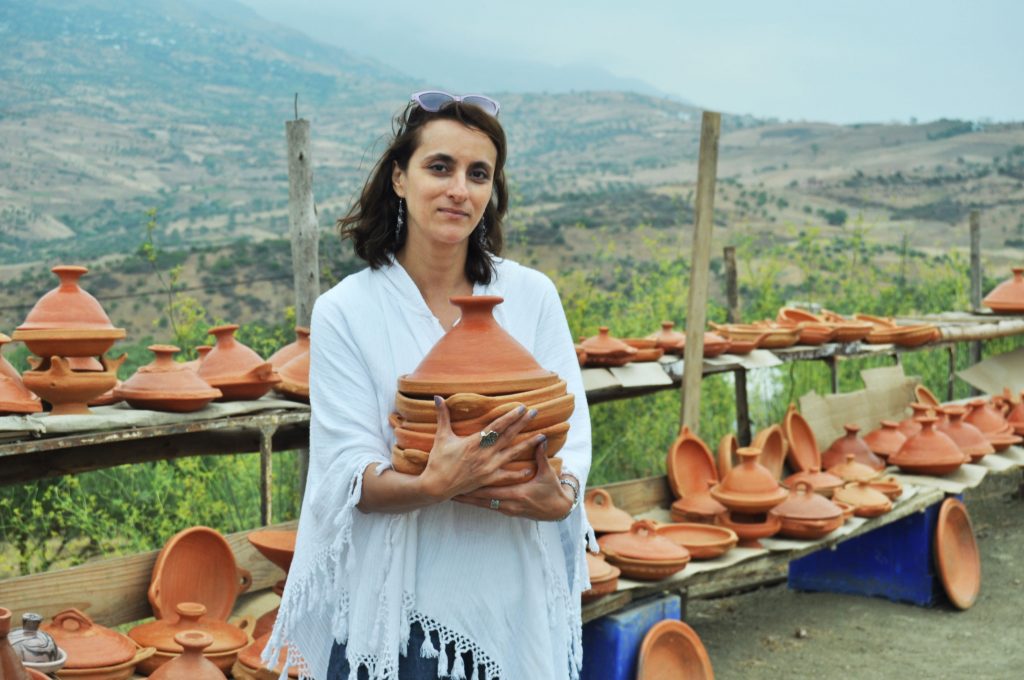
Meet #MedFoodHeroes Ambassador: Najat Kaanache
Born to Moroccan parents in a small town near San Sebastian in Spain, Najat Kaanache has been cooking at home since childhood. Now based between the US, Mexico and Morocco. She now creates magic in the kitchen as the owner and chef of the beautiful restaurant Nur in the ancient medina of Fez, named World’s Best Moroccan Restaurant in 2017, 2018 and 2019. She also opened CÚS (a Moroccan bistro in the heart of Mexico City) and Nacho Mama (a funky Mexican cantina in the medina of Fez).
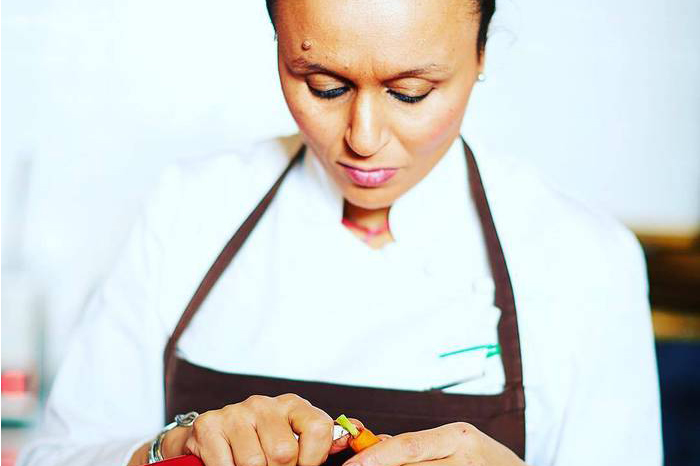
Meet #MedFoodHeroes Ambassador: Driss Mellal
Driss Mellal was born in a small town in the south of Morocco, near the beautiful Dades valley. His love for cooking started at the age of 20, when he was in art school in southern France. He missed Moroccan food and flavours and so started cooking and experimenting himself. After graduating from art school, he didn’t work in the arts as planned, but instead went to culinary school. “I finally got to combine my art background with new cooking skills, and it became the start of a new life for me,” Driss says.